Hoppa till innehåll


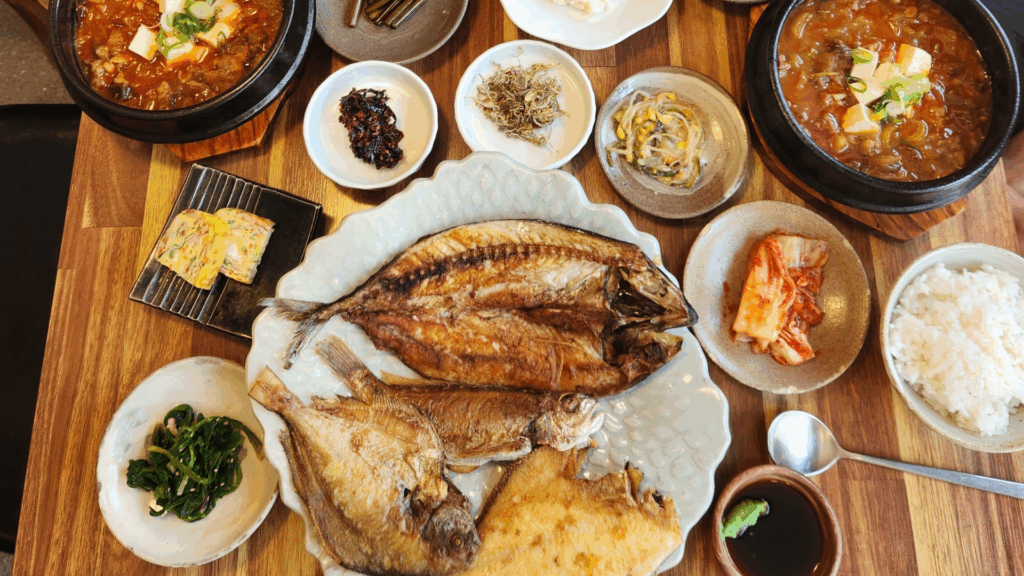
If you’re planning to live in or travel to South Korea and have dietary restrictions, understanding how to manage food allergies in Korea is essential. While Korean cuisine is rich in flavors, it also contains a variety of ingredients that may trigger allergic reactions. Whether you have mild sensitivities or life-threatening allergies, knowing how to navigate food allergies in Korea can make your experience safer and more enjoyable.
1. Types of food allergies in Korea
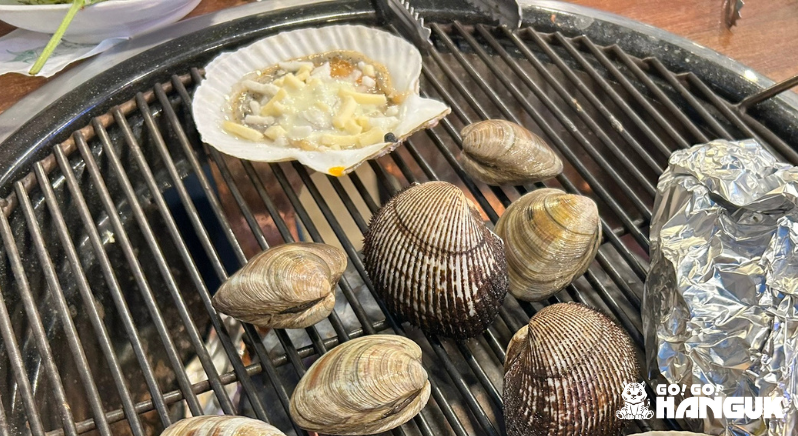
Seafood (shellfish and crustaceans)
One of the top common food allergies in Korea is seafood. Seafood is a staple in Korean cuisine, making it one of the most significant concerns for those with shellfish allergies. Dishes like haemul pajeon (seafood pancake), jjampong (spicy seafood noodle soup), and ojingeo bokkeum (spicy stir-fried squid) often contain shrimp, crab, clams, or squid.
Soy
Soy is found in multiple forms, including soy sauce (ganjang), fermented soybean paste (doenjang), and tofu. Since soy is a core ingredient in many soups, stews, and side dishes, it’s important to be careful when you dine.
Wheat (gluten)
Wheat and gluten can be found in popular Korean dishes such as jajangmyeon (black bean sauce noodles), kalguksu (hand-cut noodle soup), various fried foods, and even in everyday condiments like soy sauce. For those with celiac disease or gluten sensitivity, it’s important to stay vigilant. But don’t worry—we’ve got you covered in our article, “Your Guide to Gluten-Free in Korea: 5 Easy Options.”
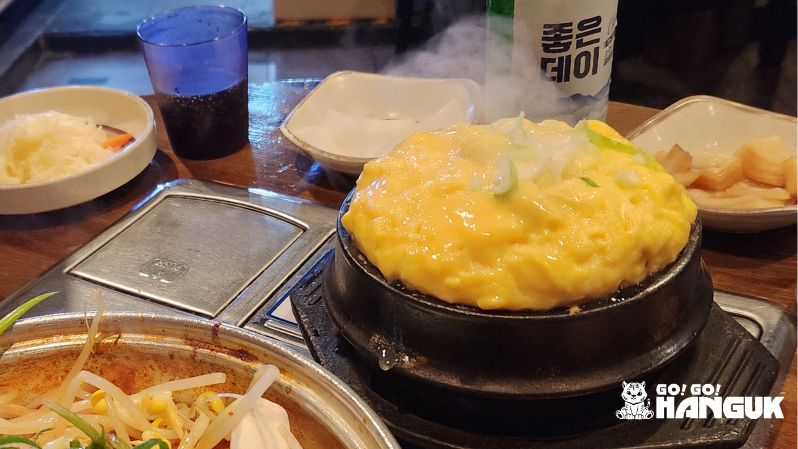
Eggs
Eggs are used in many dishes such as gyeran-jjim (steamed eggs) and jeon (Korean pancakes). While often visible, eggs may also be mixed into sauces and batters, so be sure to ask before consumption.
Peanuts and tree nuts
Although not a major part of traditional Korean cuisine, peanuts and tree nuts are increasingly common in desserts, fusion food, and imported snacks. Always check the ingredient labels, especially when buying packaged goods.
Dairy products
Dairy isn’t a traditional part of Korean cuisine, but is now widely used in baked goods, desserts like bingsu (shaved ice), and beverages. Coffee shops and bakeries often use milk or cream in their products.
Sesame (seeds and oil)
Sesame oil and seeds are used for seasoning a variety of dishes, including bibimbap (mixed rice) and soups. Not to forget, most banchan (side dishes) have it mixed in them too. This can be an overlooked but serious allergen among food allergies in Korea.
Fish
Not common, but if you are allergic to fish, note that it is often used in broths, sauces, and grilled dishes. Even if a dish appears vegetarian, it may be made with anchovy or kelp broth, or fish sauce.
2. How to manage food allergies in Korea
Understanding the types of food allergies in Korea is only the first step; managing them requires proactive communication and smart tools. When eating out, don’t hesitate to ask the restaurant staff about the ingredients used in a dish. Many Koreans are becoming more aware of food allergies, especially in Seoul and other major cities.
One phrase you can use:
I eumshige ddangkong deureo isseoyo?
이 음식에 땅콩 들어 있어요?
Does this food contain peanuts?
Quick vocabulary of other ingredients:
- uyu (우유, milk)
- gyeran (계란, egg)
- chamkkae (참깨, sesame)
Translation apps like Papago (Naver app) are incredibly helpful. The camera function allows you to scan menus or packaged food labels for allergen-related terms.
Another tip is to carry a food allergy card written in Korean. This can quickly and clearly explain your allergies to restaurant staff.
3. In case of emergency
Despite your best efforts, accidents can happen. If you experience an allergic reaction, head to the nearest hospital or emergency room. Call 119 for an ambulance if necessary. Operators may not always speak English fluently, so having a Korean speaker assist or showing your allergy card can help.
For mild symptoms, pharmacies are available in most neighborhoods and can offer over-the-counter antihistamines. A quick guide on what you can buy at a pharmacy in Korea can be found here. However, for severe reactions like anaphylaxis, only hospitals can administer epinephrine or other emergency treatments.
Major international clinics and hospitals in Seoul have English-speaking staff and are well-equipped for handling serious allergic reactions. Here’s an article on things you need to know if you get sick in Korea.
Remember to take out travel insurance if you don’t have coverage through your school or university in Korea, as it will be necessary in case of an emergency. On our website here, we recommend one for short trips.
Navigating food allergies in Korea may seem overwhelming at first, but we hope this article comes in handy for you!
For more information, follow the blog of Go! Go! Hanguk, and feel free to contact us about living and studying in Korea.