Skip to content


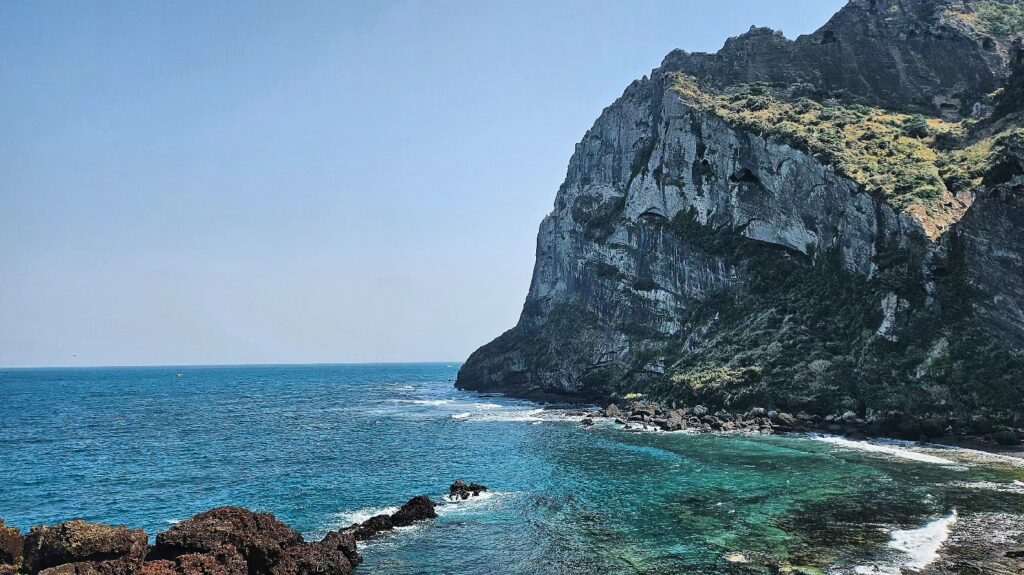
Jeju Island has long been known as Korea’s honeymoon destination, but in recent years, it has taken on a new global identity thanks to television. From emotional slice-of-life dramas to glossy romantic getaways and powerful documentaries, K-dramas in Jeju Island have transformed volcanic cliffs, stone villages, and coastal roads into must-visit cultural landmarks.
Unlike studio-heavy productions, many creators choose Jeju for its raw, cinematic beauty. Imagine wind-swept fields, lava coastlines, and quiet villages that feel untouched by time. These locations don’t just serve as backgrounds; they shape the mood, pace, and emotional depth of each story.
Below are 7 influential K-dramas in Jeju and why they played a major role in putting Jeju on the global map.
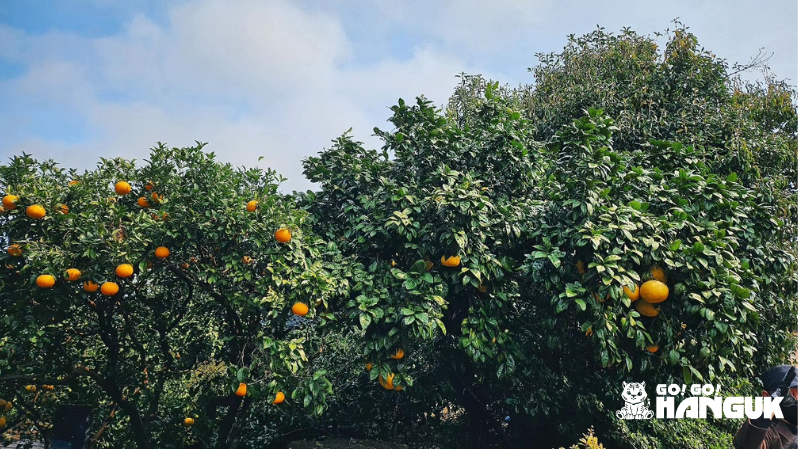
1. When Life Gives You Tangerines (폭싹 속았수다)
When Life Gives You Tangerines follows the lives of Ae-soon (played by IU) and Gwan-sik (played by Park Bo-gum) as they grow up on Jeju Island across different stages of life. Among recent K-dramas in Jeju Island, this series stands out for its quiet, observational storytelling. Rather than focusing on dramatic twists, the series traces ordinary moments: youthful dreams, quiet sacrifices, missed chances, and enduring affection set against the rhythms of island life. The story unfolds slowly, emphasizing emotional realism and the passage of time rather than plot-driven conflict.
The highlight of the drama lies in how Jeju is woven into the characters’ lives. Stone walls, village roads, coastal views, and local dialects are not just background elements but part of the storytelling. Like many memorable K-dramas in Jeju Island, the setting reflects the emotional weight of the characters’ lives, portraying Jeju as a place shaped by community, nature, and endurance rather than spectacle.
Jeju appears as a space to reset, away from the pressure-heavy pace of Seoul. Scenes filmed along rural roads, coastal paths, and traditional stone houses showcase an island where routines matter and community ties run deep. If you are drawn to the idea of weekend trips in between classes, this drama subtly sells Jeju as a place where personal growth happens between classes, not just inside lecture halls.
Famous filming locations include Gimnyeong Beach, Seongsan Ilchulbong, and Hyeopjae Beach.
2. Welcome to Samdal-ri (웰컴투 삼달리)
Starring Shin Hye-sun as photographer Jo Sam-dal and Ji Chang-wook as weather forecaster Cho Yong-pil, Welcome to Samdal-ri tells the story of returning home after life in the city falls apart. As one of the most healing K-dramas in Jeju Island, it follows Sam-dal as she leaves Seoul after a career crisis and retreats to her hometown, where unresolved relationships and buried emotions resurface. The drama explores themes of burnout, failure, and rediscovering oneself away from external pressure.
The highlight is its gentle, restorative tone. Jeju is portrayed as a place that allows people to pause and breathe through seaside walks, small-town interactions, and familiar routines. Similar to other reflective K-dramas in Jeju Island, the story shows that returning home can be uncomfortable yet transformative, resonating strongly with viewers navigating career uncertainty or personal crossroads.
Many international students arrive in Korea chasing opportunity, only to realize that balance matters just as much as achievement. Samdal-ri’s village streets, seaside cafes, and quiet harbors present Jeju as an ideal getaway destination for those who want some rest, perspective, and a break from city intensity.
Famous filming locations include Andol Oreum and Sinchang Windmill Coastal Road.
3. Our Blues (우리들의 블루스)
Our Blues is an ensemble drama featuring Lee Byung-hun, Shin Min-a, Kim Woo-bin, Han Ji-min, and Lee Jung-eun, among others. Frequently cited as one of the most emotionally grounded K-dramas in Jeju Island, it presents interconnected stories of Jeju residents across different ages and backgrounds: fish market workers, haenyeo divers, young lovers, single parents, and elderly couples. Each arc focuses on personal struggles, regret, and reconciliation.
One of the drama’s strongest highlights is its emotional honesty. Jeju is depicted as a lived-in space rather than a tourist destination, with scenes set in markets, harbors, and modest homes. This realistic portrayal is why K-dramas in Jeju Island, like Our Blues, resonate so deeply, helping viewers see the island as a community shaped by resilience and long-standing human bonds.
This drama offers something rare: an honest look at island life beyond tourism. Jeju is shown as a living, breathing community where generations coexist. Scenes set in fish markets, docks, and village homes highlight how local economies and traditions function daily. Travelers interested in Korean culture, sociology, or language immersion may find Jeju especially appealing after watching this drama, as it reveals how learning happens naturally through everyday interaction.
Famous filming locations include Gapado Island and Hallasan.
4. Boys Over Flowers (꽃보다 남자)
The iconic romance drama Boys Over Flowers stars Lee Min-ho as Gu Jun-pyo and Ku Hye-sun as Geum Jan-di, following a working-class girl who becomes entangled with an elite group of wealthy students known as F4. Although not fully set on the island, it remains one of the earliest globally influential K-dramas in Jeju Island due to its memorable filming locations.
Jeju appears during emotionally significant moments, symbolizing escape, romance, and emotional clarity. The island’s beaches and open landscapes contrast sharply with the rigid hierarchy and pressure of elite school life. For many international fans, scenes like these defined their first impression of Jeju through K-dramas in Jeju Island, cementing its image as a romantic and emotionally charged destination.
While the drama itself is stylized, its Jeju scenes helped shape the island’s reputation as a romantic getaway and visual contrast to city life. Even today, many seek these filming spots not just for nostalgia, but to experience a calmer environment that still feels cinematic.
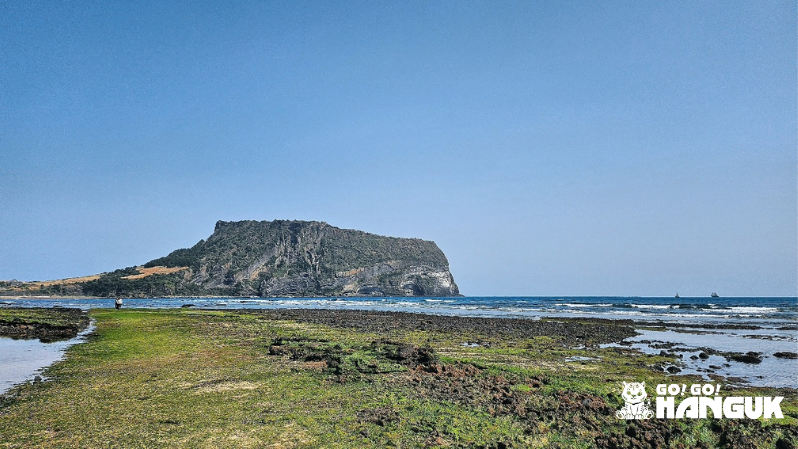
Famous filming locations include Sono Calm Jeju (Seogwipo).
5. King the Land (킹더랜드)
Starring Lee Jun-ho as hotel heir Gu Won and Im Yoon-ah (Yoona) as hotel staff member Cheon Sa-rang, King the Land is a modern romantic comedy centered on workplace dynamics and emotional growth. While largely city-based, its Jeju episodes helped solidify its place among contemporary K-dramas in Jeju Island.
The Jeju scenes stand out as turning points in the characters’ relationship. Set against luxury resorts, open coastlines, and slower island rhythms, Jeju becomes a space where emotional barriers fall away. Like many visually polished K-dramas in Jeju Island, the setting reinforces the idea of Jeju as a retreat from high-pressure urban life.
The Jeju scenes highlight high-end resorts, open coastal views, and refined leisure, but what stands out is the contrast. Jeju is portrayed as a place where people step away from corporate expectations and reconnect with themselves. This resonates with students who need a gentle reset that feels aspirational yet calming, where weekend trips look like ocean sunsets rather than shopping malls.
Famous filming locations include Parnas Hotel Jeju and Handam Coastal Trail.
6. Extraordinary Attorney Woo (이상한 변호사 우영우)
Extraordinary Attorney Woo stars Park Eun-bin as Woo Young-woo, a brilliant lawyer on the autism spectrum navigating the legal world with empathy and logic. While the series is primarily set in Seoul, its Jeju episode has earned a quiet place among meaningful K-dramas in Jeju Island, featuring Gwaneumsa Temple near Hallasan.
This episode uses Jeju not as a dramatic backdrop but as a symbolic space for reflection and moral contemplation. The temple’s stillness mirrors Young-woo’s internal thought process, showing how K-dramas in Jeju Island can highlight spiritual and emotional depth beyond scenic beauty.
The island is framed as a place where silence, nature, and tradition coexist. If you prefer the slow-paced lifestyle, away from the bustling cities, you may be drawn to this quieter lifestyle, where hiking trails, temples, and forests are part of everyday life rather than tourist side trips. It emphasizes Jeju’s spiritual and environmental depth.
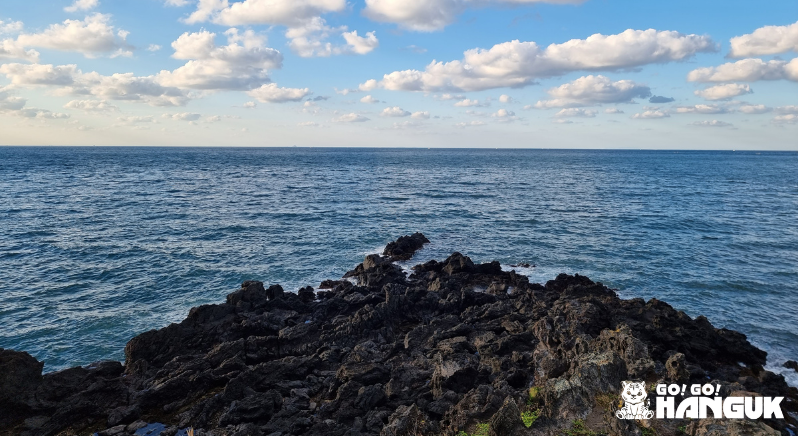
Famous filming locations include Gwaneumsa Temple.
7. The Last of the Sea Women (마지막 해녀들)
The Last of the Sea Women is a documentary focusing on Jeju’s haenyeo, the island’s female free divers who harvest seafood without oxygen tanks. While not fictional, it is often discussed alongside K-dramas in Jeju Island for its powerful role in shaping global awareness of Jeju’s culture.
The documentary’s highlight is its authenticity. Rather than romanticizing the profession, it presents the physical toll of the work and the strength of the haenyeo community. By grounding Jeju’s identity in real lives and traditions, it adds crucial cultural depth to the broader narrative shaped by K-dramas in Jeju Island.
This documentary adds context that fiction cannot. It highlights why Jeju is culturally distinct from mainland Korea. Those interested in sustainability or cultural studies may find Jeju uniquely meaningful after watching this documentary, as it frames the island as a place where tradition is still actively lived.
Famous filming locations include Gimnyeong Haenyeo Experience Village.
Why students are drawn to Jeju after watching these dramas
Across these K-dramas in Jeju Island, a clear theme stands out: Jeju is portrayed as a place to slow down, reset, and step away from everyday pressures. For many travelers, this translates into a rare kind of calm: less noise, fewer crowds, and a rhythm of life shaped by nature rather than schedules.
For students in particular, Jeju is an ideal short getaway. Its coastal walks, quiet cafes, forest trails, and open landscapes create space to rest mentally and physically, even during a brief stay. Milder winters than Seoul and easy access to beaches, hiking paths, and cultural sites make it easy to recharge without planning an intensive itinerary.
For your next trip, let Jeju be where you slow down and breathe!
For more information about the Korean language and culture, follow our blog or contact us to live and study in Korea!