Skip to content


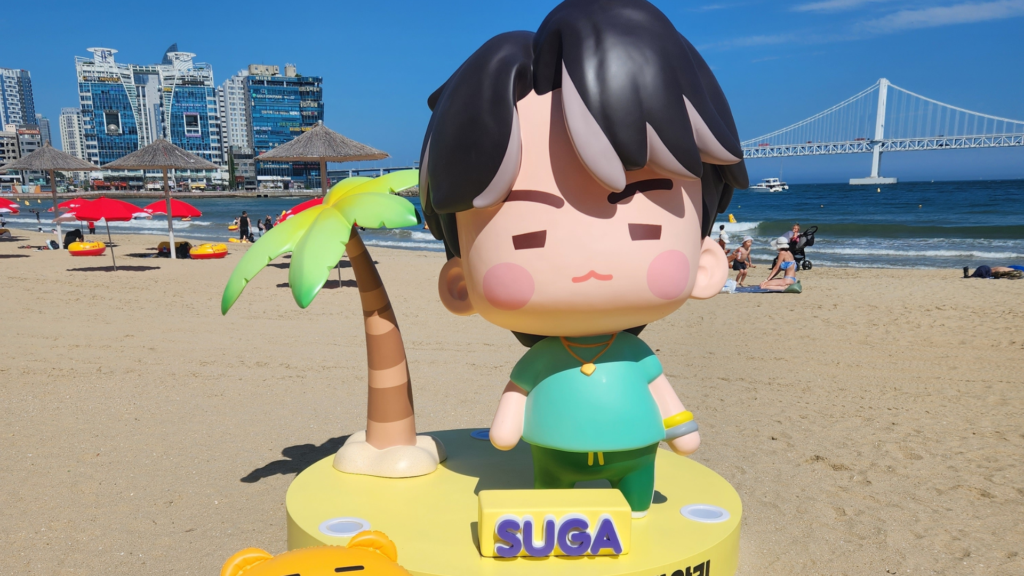
Planning to spend the summer at one of Korea’s beautiful beaches? Whether you’re visiting Busan’s famous Haeundae Beach, or exploring one of Korea’s many coastal destinations, there are a few local rules and customs that may surprise first-time visitors.
Here are some of the most common beach rules in Korea that tourists and international students should know.
1. Swimming hours are strictly enforced
One of the biggest surprises for many foreigners is that swimming is only permitted during the official beach season.
Although the beach itself remains open all year, lifeguards are only on duty during the summer months. Typically from mid or late June until the end of August. Outside of these dates, swimming is generally prohibited even if the weather is warm.
Most beaches also restrict swimming hours, usually between 9:00 AM and 6:00 PM. Once the beach closes, lifeguards ask everyone to leave the water.
Always check the local beach’s operating dates before planning your visit, as they may vary slightly each year.
2. Stay inside the swimming zone
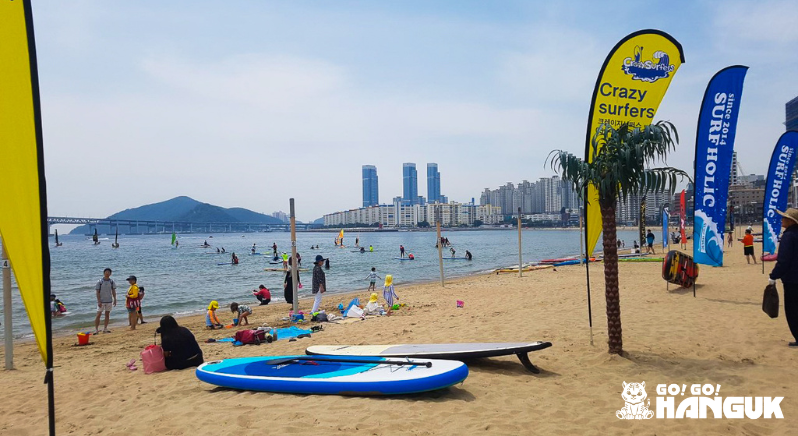
At Korean beaches, you’ll notice ropes and floating buoys placed offshore.
These aren’t decorations as they mark the designated swimming area. Swimming beyond the buoys is prohibited for safety reasons. Lifeguards actively monitor the water and may whistle or use loudspeakers to ask swimmers to return immediately.
This rule helps separate swimmers from boats, jet skis, and stronger currents. Ignoring these instructions can result in being asked to leave the swimming area.
3. Rash guards are the norm
Don’t be surprised if most people are fully covered while swimming. Many first-time visitors expect Korean beaches to look similar to those in Australia, Europe, or Southeast Asia.
Instead, you’ll probably notice that many locals wear long-sleeved rash guards, leggings, hats, or lightweight cover-ups while swimming. This is mainly for sun protection and comfort rather than modesty. While bikinis and swim trunks are perfectly acceptable, they’re less common than in many Western countries.
Wear whatever makes you comfortable while being mindful of local customs.
4. Beaches are kept clean
Cleaning up after yourself is considered basic beach etiquette.
Korea is known for its clean public spaces, and beaches are no exception. Visitors are expected to dispose of their rubbish properly and separate recyclable items whenever bins are provided. Guide to recycling in Korea.
Leaving food containers, drinks, or picnic waste behind is generally frowned upon, so it’s a good idea to bring a small bag for your rubbish if bins are full.
5. Bring your own beach essentials
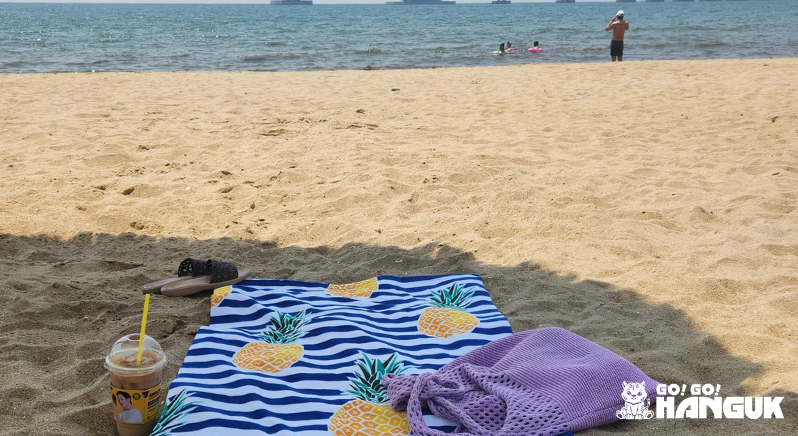
Unlike some resort beaches overseas, many Korean beaches don’t provide free equipment.
You may need to rent or bring your own:
- Beach umbrella / Parasol
- Beach mat
- Float
- Life jacket (at some beaches)
Rental services are usually available during the summer season, but costs vary depending on the location.
6. Beach etiquette may feel different
Korean beaches are lively, but they’re generally more orderly than many visitors expect.
It’s common to see families, couples, and groups of friends enjoying picnics by the sea, but loud music and disruptive behaviour are less common. Alcohol is allowed at many beaches, yet most people drink responsibly without disturbing others. Learn more about Korean drinking culture.
Depending on the location, smoking may only be permitted in designated areas, and fireworks are often prohibited during the busy summer season.
7. Convenience is part of the experience
You’ll rarely be far from a convenience store. One unexpected advantage of visiting Korean beaches is how convenient everything is. Many popular beaches have convenience stores, cafes, restaurants, and rental shops just a short walk from the sand.
Whether you’ve forgotten sunscreen, need extra water, want an ice cream, or feel like having instant noodles while enjoying the sea view, you’ll usually find everything you need nearby.
8. Learn a few useful Korean words
Knowing a few Korean signs can make your beach trip much easier.
You don’t need to be fluent, but recognising a few common words can help you understand safety notices and navigate beach facilities more confidently.
Some useful vocabulary includes:
| Hangul | Transliteration | English |
| 해수욕장 | Haesuyokjang | Beach |
| 수영금지 | Suyeong geumji | No swimming |
| 입수금지 | Ipsu geumji | Do not enter the water |
| 샤워실 | Syawosil | Shower room |
| 화장실 | Hwajangsil | Restroom |
| 파라솔 | Parasol | Beach umbrella / Parasol |
These simple words are useful to remember and can make following the beach rules in Korea much easier.
Bonus: Public swimming pools in Korea
If you can’t make it to the beach, Seoul has several excellent seasonal outdoor pools instead.
Many newcomers search for public swimming pools after arriving in Korea, only to discover that they’re not as common as in some other countries. Instead, Seoul opens several large outdoor pools and water parks during the summer, many of which are located along the Han River.
One of the most popular is Yeouido Hangang Swimming Pool, known for its spacious pools, convenient location, and beautiful riverside views. It’s easy to reach by public transport and attracts both locals and international visitors throughout the summer.
Families often prefer Nanji Water Park, which features shallow pools, water play areas, and plenty of shaded spaces for children. Its relaxed atmosphere makes it a popular choice for those looking for a quieter alternative to the beach.
Another favourite is Jamsil Outdoor Swimming Pool, one of Seoul’s largest seasonal swimming facilities. Located near the Olympic Stadium, it offers multiple pools suitable for both adults and children and is especially busy during weekends and school holidays.
Like Korea’s beaches, these pools only operate during the summer months, so it’s always worth checking the opening schedule before planning your visit.
Knowing the beach rules in Korea makes your trip smoother, safer, and more enjoyable. With these tips in mind, you’re ready to make the most of Korea’s beautiful beaches this summer.
Contact us about living and studying in Korea, and remember to follow the Go! Go! Hanguk blog for more content.