Skip to content


Moving to South Korea is exciting. Whether you are coming as an international student, language learner, or working professional, you probably have a picture in your mind of what life will be like. You may imagine convenient transportation, delicious Korean food, and endless K-drama moments.
While some expectations are accurate, many foreigners quickly discover that living in Korea comes with surprises, both good and bad.
If you’re wondering what living in Korea as a foreigner is like, here are ten things you may not know before moving.
1. The hidden costs
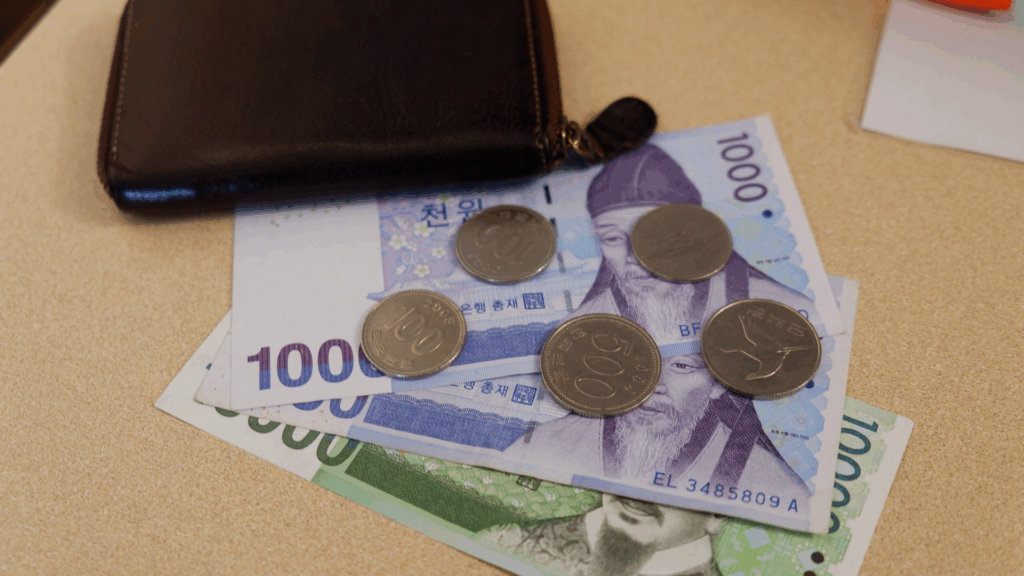
Most people calculate tuition, rent, and food before arriving. What many don’t realize is that the first week in Korea can be surprisingly expensive.
For example, many dormitories and goshiwons provide only a bare mattress. You may need to purchase a pillow, duvet, bedsheets, and mattress cover immediately after arriving. A basic bedding set can easily cost between KRW 80,000 and KRW 150,000.
Then comes what many foreigners jokingly call the “Daiso Black Hole.” You enter intending to buy one or two items and leave with hangers, slippers, cleaning supplies, laundry baskets, extension cords, organizers, and kitchen items. It is not unusual to spend over KRW 100,000 during the first few days.
Another surprise is waste management. Korea has a strict recycling system, and many districts require residents to purchase designated trash bags, which means another unexpected expense. You may also need to buy a food waste container, depending on where you live.
2. Budget vs reality
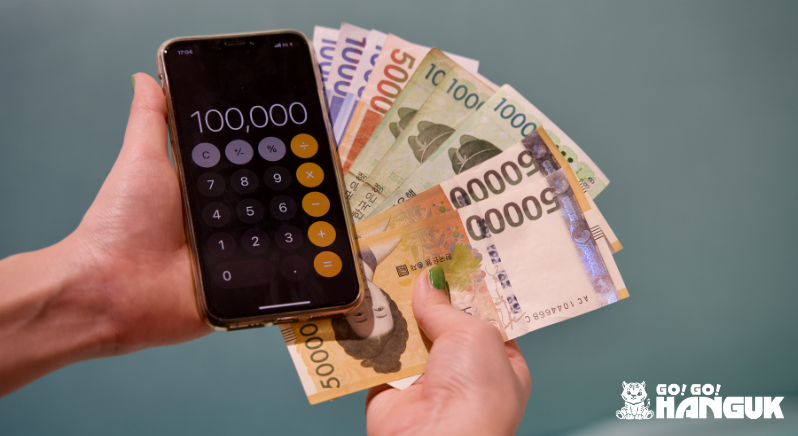
Living in Korea comes with costs many people do not initially plan for.
- Korean Residence Card: KRW 30,000 for the initial application. Replacement cards require an additional fee.
- Visa Extensions: If your program lasts longer than your initial visa period, extensions currently cost KRW 60,000.
- National Health Insurance (NHIS): A mandatory monthly expense that many students don’t include in their original budget calculations. You should anticipate a cost between 75,000 and 140,000 KRW monthly.
Many international students are particularly surprised by NHIS. Even at discounted student rates, it becomes a regular monthly expense that should be included in any budget plan.
3. Life moves fast
One of the biggest culture shocks for many foreigners is the speed of everyday life. People walk quickly. Escalators move quickly. Deliveries arrive quickly. In many countries, waiting several days for a package is normal. In Korea, next-day delivery often feels slow.
This fast-paced culture can initially feel overwhelming. People may seem rushed, especially during commuting hours. However, many foreigners eventually appreciate the efficiency. Administrative tasks, online shopping, banking services, and transportation systems are often designed to save time.
After a few months, you may find yourself becoming impatient when services move more slowly during trips back home.

4. Food culture shocks
Most foreigners arrive expecting spicy food. While that part is true, the bigger surprise is how different everyday flavors can be. Sweet potatoes appear in places you may never expect. They are used in pizzas, breads, lattes, desserts, and side dishes. Corn often appears on pizza. Garlic bread may be sweet instead of savory.
Many newcomers are surprised by Korea’s dining culture, where meals often come with complimentary side dishes (banchan) that are shared by everyone at the table. It’s also common for restaurants and businesses to offer small complimentary extras, known as “service,” while cafés often have loyalty programs that make everyday spending even more rewarding.
Dining culture can also feel very social compared to some countries. Eating alone is becoming more common, but certain restaurants still prefer groups.
The longer you stay, the more these differences become part of everyday life, and many foreigners eventually find themselves craving foods they initially found unusual.
5. Feeling safe
One unexpected positive aspect of living in Korea is the sense of safety many foreigners experience.
Walking home late at night is often considered normal in many neighborhoods. Convenience stores operate 24 hours a day, and public transportation remains active until late hours. Many foreigners are surprised to see people leaving laptops, phones, or bags unattended in cafes while they briefly step away.
Of course, common sense is always important, but Korea’s relatively low crime rates create a level of daily comfort that many residents come to appreciate.
For many international students, safety becomes one of the reasons they feel comfortable living independently for the first time.
6. Kindness everywhere
Before moving to Korea, some foreigners worry that language barriers will make daily life difficult.
What often surprises people is how willing strangers can be to help. You might experience someone walking you to your destination instead of simply giving directions. Restaurant staff may help explain menus using translation apps. Passengers on public transportation may offer advice about where to transfer. These small moments can make a huge difference during the adjustment period.
While cultural norms may sometimes appear reserved on the surface, many foreigners discover genuine kindness once they begin interacting with people in everyday situations.
7. Beyond the language barrier
Living in Korea without advanced Korean skills is possible, but it does require adjustment.
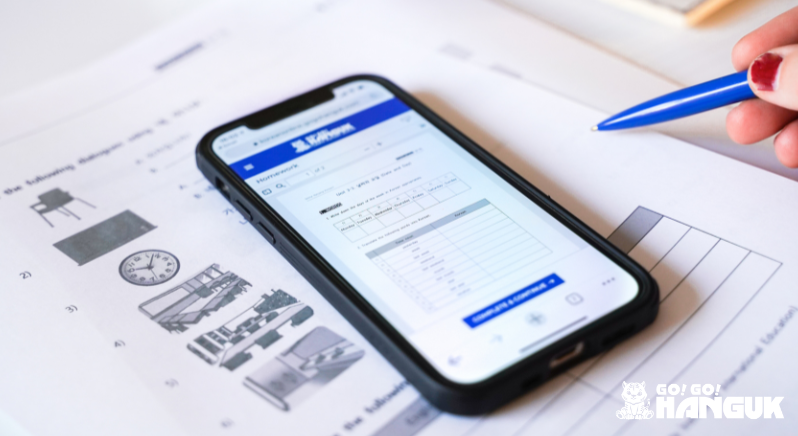
Many essential apps, government websites, and official documents still rely heavily on Korean. Setting up banking services, visiting hospitals, or handling immigration paperwork can sometimes feel intimidating.
Fortunately, most foreigners quickly develop their own survival toolkit. Also, check out all the apps you need in Korea. Translation apps become daily companions. Papago is widely used. Screenshots are translated. Gestures become surprisingly effective. Basic Korean phrases gradually become part of everyday conversations.
Although you don’t need perfect Korean to get by at first, learning the language will help you integrate into Korean society more easily. For example, learning even simple expressions can dramatically improve your daily experience and help you build stronger connections with people around you. Here are some useful Korean delivery phrases you can learn before your next order and keep it handy!
8. Everyday convenience
If there is one thing that consistently impresses foreigners, it is convenience. Need groceries? Delivery. Forgot toothpaste? Convenience store. Want dinner at midnight? Delivery again. Many services that require significant effort elsewhere can be completed through a few taps on a smartphone.
Food delivery apps offer enormous selections. Convenience stores provide meals, snacks, parcel services, and bill payments. Public transportation is efficient and widely available.
This level of convenience often becomes one of the biggest reasons foreigners miss Korea after leaving. You quickly become accustomed to solving everyday problems in minutes.
9. Going cashless
Many newcomers arrive expecting to carry cash regularly. Instead, they discover that Korea is one of the most cashless societies in the world. Card payments are accepted almost everywhere, including cafes, restaurants, convenience stores, taxis, and vending machines. Mobile payment options continue to expand, and many daily transactions happen digitally.
For foreigners, this convenience simplifies daily life considerably. Once your banking setup is complete, carrying large amounts of cash often becomes unnecessary. The downside is that it becomes very easy to lose track of small purchases when everything feels like a quick tap.

10. Social and dating life
Relationships and social interactions can be another source of culture shock. Many foreigners notice that group culture plays a larger role in Korea than they expected. Friend groups, university clubs, and workplace gatherings often influence social life.
Dating culture may also feel different. Concepts such as couple anniversaries, matching outfits, and frequent communication can be more common than in some countries. At the same time, every person is different, and experiences vary significantly depending on age, location, and social circles. The key is approaching these differences with curiosity rather than comparison. Understanding local social norms often helps foreigners build stronger friendships and navigate cultural misunderstandings more easily.
Living in Korea as a foreigner often comes with unexpected costs, cultural differences, and occasional language challenges. However, many people find that the convenience, safety, kindness, and unique experiences make the adjustment worthwhile. While reality may differ from expectations, the journey is often filled with both memorable surprises and valuable life lessons.
Contact us about living and studying in Korea, and remember to follow the Go! Go! Hanguk blog for more content.