Skip to content


Whether you’re a student pulling an all-nighter, a traveler on the go, or a K-drama fan dreaming of those late-night ramen scenes, Korean convenience stores are more than just quick stops. From instant meals to postal services, these compact spaces offer almost everything you could need, 24/7. But what makes Korean convenience stores so unique and beloved across the country?
Let’s dive into the world of Korean convenience stores and the 5 things you need to know.
1. What are the popular Korean convenience stores?
Before diving into the different brands, let’s first look at how to say “Korean convenience stores” in Korean. The word pyeoneuijeom (편의점) comes from two parts: pyeoneui (편의) meaning convenience or comfort, and jeom (점) meaning store or shop. Together, it literally means a shop that offers convenience!
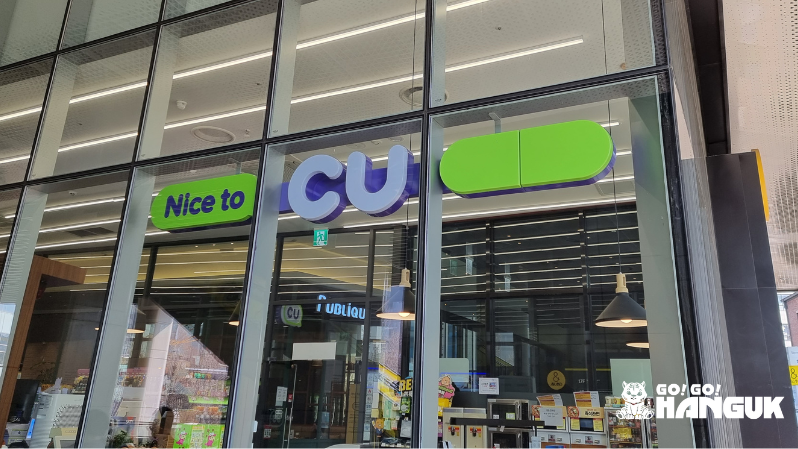
South Korea is home to several major convenience store franchises that you’ll find on nearly every corner.
CU (pronounced like the English “see you”) is one of the most popular chains, known for its wide food selection and frequent product collaborations. GS25 is another big name, offering everything from affordable lunch boxes to beauty items. Even the global giant, 7-Eleven, is also a staple in Korea!
Emart24 is a newer player in the game, backed by the Emart hypermarket chain. It’s known for its trendy snacks and a more upscale interior.
These chains compete fiercely, which is great for customers because it means constantly evolving food menus, better deals, and improved in-store experiences. You’re never far from one, and that’s exactly the point.
However, there are also the more old-fashioned convenience stores but they do not belong to any pyeoneuijeom company. These businesses, called dongne shupo (동네 슈퍼), are no longer easy to find due to competition.
2. What do they sell at Korean convenience stores?
The name might say “convenience,” but the variety is genuinely impressive. The main feature of Korean convenience stores is that they are open 24 hours a day, 365 days a year. These Korean convenience stores stock a wide selection of goods designed to meet everyday needs.
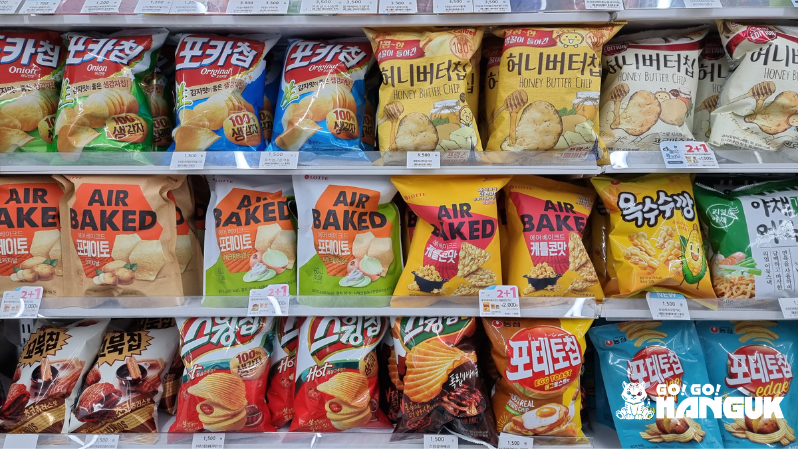
You’ll find essentials like bottled water, instant noodles, snacks, and ready-to-eat meals like dosirak (도시락), triangle kimbap (김밥), and microwaveable tteokbokki. In the drink section, expect everything from banana milk and canned coffee to soju and beer.
One of the most common deals you’ll find in these stores is the 2+1 offer. This means if you buy two of the same item, you get a third one for free. It’s a great way to grab an extra snack or drink without paying extra. Perfect for stocking up or sharing with a friend!
They also carry beauty products like sheet masks, travel-size skincare, and hygiene items including toothbrushes and pain relievers. Stationery, mobile phone chargers, socks, and umbrellas are common too.
This makes Korean convenience stores a lifesaver not only for locals but also for tourists and expats adjusting to life in Korea.
3. Services offered by Korean convenience stores
It’s not just about food and drinks. One of the coolest things about Korean convenience stores is the range of services they provide.
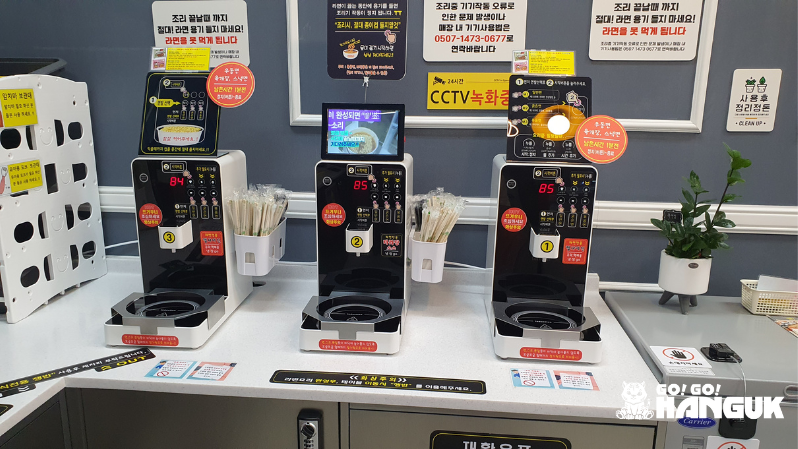
You can pay utility bills, send and receive packages, top up your mobile phone, and many branches also have ATMs, restrooms, and microwave ovens for heating food. Some stores even double as mini cafés, offering indoor seating where you can eat or study.
Especially in cooler seasons, you will see many people sitting around chatting or drinking until late.
4. Why are Korean convenience stores so popular?
Korean convenience stores are everywhere, not just because they’re convenient, but because they cater to real lifestyle needs. For students living alone, it’s easier and cheaper to grab a quick kimbap than cook a meal. Many stores are located near universities and dorms, making them a go-to stop between classes or late-night study sessions.
The 24-hour service is also a huge plus. In a country that never really sleeps, having access to snacks, drinks, and services around the clock is incredibly useful. Whether you’re working late, studying until dawn, or just craving something sweet at 2am, there’s always a Korean convenience store ready for you.
5. Korean convenience stores in K-dramas
Want to relive your favorite K-drama scenes? Visit a convenience store and step right into the moment!
You’ve probably seen scenes in K-dramas where characters share a beer and instant ramen under the bright lights of a Korean convenience store. These moments aren’t just cute, they reflect real Korean culture.
In dramas like My Love from the Star, Weightlifting Fairy Kim Bok-joo, and Business Proposal, convenience stores are often the setting for heartfelt conversations, unexpected reunions, and quiet comfort.
If you study in Korea, convenience stores will quickly become a regular part of your daily routine, thanks to their unbeatable convenience and the huge variety of products available just steps from your door. Pretty amazing, right? It’s one of those small but unforgettable experiences that will stick with you long after you leave Korea. Give it a try and see for yourself!
For more interesting facts about life in Korea, keep following our blog and our TikTok account. Contact us about living and studying in Korea.