Skip to content


If you have spent time in Korea in November, you may notice something unusual: traffic becomes a little more organised, businesses may adjust their opening hours, and families gather to wish students good luck.
This is because of the Suneung (수능), South Korea’s national college entrance exam and one of the most important academic events of the year.
The Suneung is more than just an exam. It is deeply connected to Korean education culture and has inspired traditions, superstitions, special foods, prayers and even changes to everyday life across the country.
But what exactly is the Suneung, and why is it such a significant part of Korean culture?
What is the Suneung in Korea?
The Suneung (수능) is the common name for the College Scholastic Ability Test (CSAT), Korea’s national college entrance examination.
The Korean name is 대학수학능력시험 (daehak suhak neungnyeok siheom), which roughly means “College Scholastic Ability Test.”
The exam is taken by students seeking admission to universities in Korea and covers subjects such as Korean, mathematics, English, Korean history and selected social studies, science or vocational subjects, depending on the student’s choices.
For many Korean students, years of studying and preparation lead up to this one important day.
That is why the Suneung has become much more than an academic examination. It has become an important part of Korean education and popular culture.
Why is the Suneung such a big deal in Korea?
Education has traditionally been highly valued in Korean society, and university admission can be an important milestone for students and their families.
For Suneung students, the exam can feel like the culmination of years of studying, particularly because their results can play an important role in university admissions. The pressure surrounding the exam is also reflected in the wider community.
On Suneung day, schools, families, businesses, public transportation services and government agencies can all make adjustments to help students get to their testing locations and complete the exam without unnecessary disruptions.
This is one reason the Suneung is so fascinating to people outside Korea: an individual exam becomes a nationwide event.
What gifts do Korean students receive before the Suneung?
One of the most recognizable Suneung traditions is giving students good-luck gifts before the exam.
A popular choice is yeot (엿), a traditional sticky Korean candy. Tteok (떡), or Korean rice cakes, is also commonly associated with Suneung good luck.
Why? The sticky texture represents the idea of “sticking” to a university or successfully passing the exam.
What foods are considered unlucky before the Suneung?
If sticky foods symbolise success, some foods are traditionally avoided.
One famous example is miyeok-guk (미역국), Korean seaweed soup. Miyeok-guk is normally a beloved Korean dish and is traditionally eaten on birthdays. But its slippery texture has led to the superstition that eating it before the Suneung could mean “slipping” on the exam.
Of course, these are superstitions rather than actual rules. Many students and families simply enjoy the traditions as a fun way of wishing someone good luck. Read more about other superstitions in everyday life in Korea!
Do Korean parents really pray for their children before the Suneung?
Yes. Prayer is another well-known part of Suneung culture.
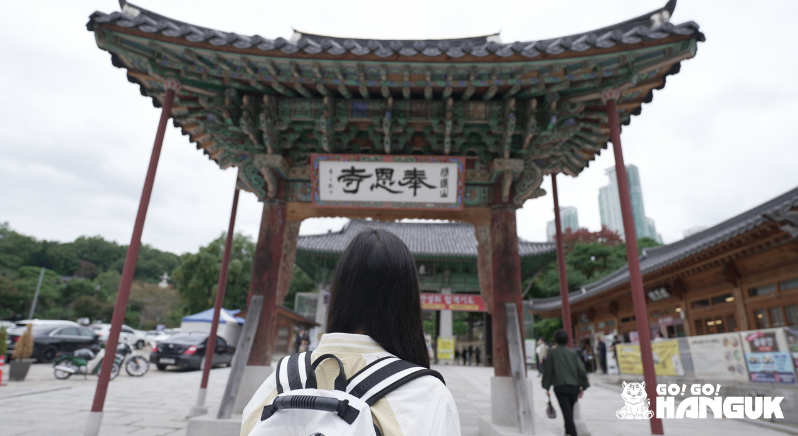
In the weeks and months leading up to the exam, some parents visit Buddhist temples, churches and other religious sites to pray for their children’s success. Even people who are not particularly religious may participate because the Suneung is such an important milestone for their families.
These prayers are often less about asking for a perfect score and more about hoping that their children will stay healthy, calm and do their best on the day.
How does South Korea make way for students on Suneung day?
Suneung day can affect everyday life across South Korea.
Because students need to arrive at their testing locations on time, authorities and businesses may take measures to reduce traffic and other disruptions. Police officers can assist students who are caught in traffic or running late. Public transportation may also be adjusted to make commuting easier during the morning rush.
In some areas, businesses and public institutions may adjust their opening hours to help reduce congestion during the morning. Noise-generating activities around testing locations may be restricted or adjusted, and authorities may ask construction sites and other businesses to minimise noise during important parts of the exam.
The idea is simple: make it as easy as possible for students to get to their exams.
Are flights really stopped during the Suneung?
Yes, but only temporarily and under specific circumstances.
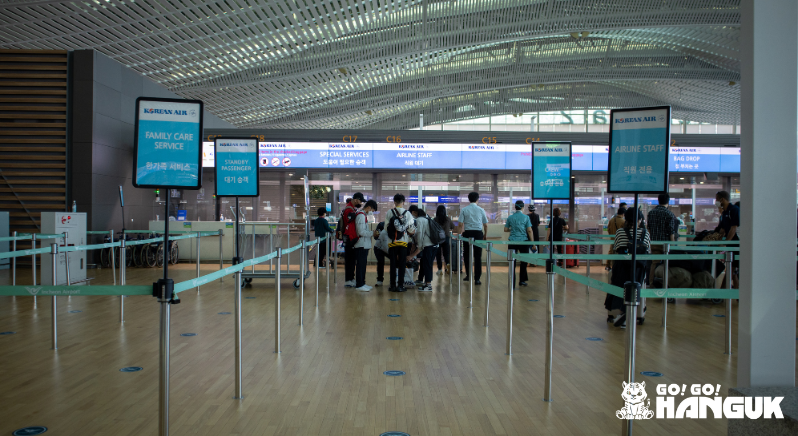
During the English listening section of the Suneung, aircraft takeoffs and landings are temporarily restricted to reduce noise around testing locations. Flights already in the air are not simply brought down. Instead, air traffic is managed so that unnecessary noise is minimized while students are completing the listening portion of the exam.
It may sound surprising, but it shows just how seriously the country takes creating a quiet testing environment for students.
How to wish someone great success on the Suneung?
This is a way of wishing someone great success on the Suneung.
The word 대박 (daebak) is commonly used to mean something like “amazing,” “awesome” or “a huge success.” In the context of the Suneung, it expresses the hope that the student will achieve an excellent result.
Is the Suneung the only way to get into a Korean university?
No. This is an important distinction, especially for international students interested in studying in Korea.
The Suneung is primarily associated with Korean students following the domestic university admission system. International students generally apply through separate admission procedures for international applicants, and requirements can vary depending on the university and program.
International applicants may need to provide documents such as proof of education, transcripts, passport information and language proficiency documents, depending on the university and programme.
Therefore, if you are an international student planning to study in Korea, you should always check the admission requirements of your chosen university rather than assuming that you need to take the Suneung.
If you’re hoping to live in Korea long term, check out our guide, “A 10-year visa plan for students,” to learn more about your options for building a long-term future in Korea.
FAQ about Suneung in Korea
1. What is the Suneung in Korea?
The Suneung, or College Scholastic Ability Test (CSAT), is South Korea’s national college entrance examination. It is an important part of the university admission process for Korean students.
2. What does Suneung mean in Korean?
Suneung (수능) is a shortened name for 대학수학능력시험 (daehak suhak neungnyeok siheom), meaning the College Scholastic Ability Test.
3. Is the Suneung the Korean SAT?
The Suneung is sometimes referred to as the “Korean SAT” because both are standardised exams associated with university admission. However, the two exams are different systems and should not be considered identical.
4. Do international students need to take the Suneung to study at a Korean university?
Generally, international students apply through separate admission procedures for international applicants. Requirements vary by university and programme, so international students should check the specific admission requirements of their chosen university.
5. How to study and live in Korea as an international student?
From choosing a Korean language school and preparing your application to getting ready for life in Korea, Go! Go! Hanguk can help make your Korea study journey simpler and easier.
If you are an international student interested in studying Korean in Korea, Contact Go! Go! Hanguk to find the right Korean language program, and remember to follow the Go! Go! Hanguk blog for more content.