Skip to content


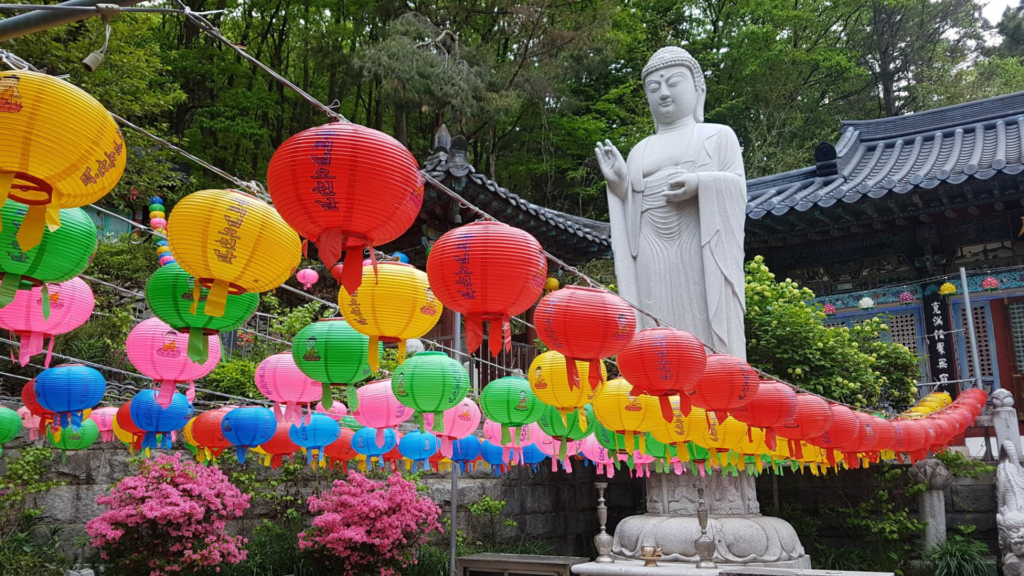
Buddha’s birthday in Korea is one of the most beautiful spring celebrations, blending spiritual traditions with vibrant cultural festivals. Known as Seokga Tansinil (석가탄신일) or “the day when the Buddha came”, Buddha’s birthday transforms cities into glowing landscapes filled with lotus lanterns, temple rituals, and parades.
If you’re planning to visit South Korea in May, experiencing Buddha’s birthday in Korea is a must.
When is Buddha’s Birthday in Korea in 2026?
Buddha’s birthday in Korea follows the lunar calendar, specifically the 8th day of the 4th lunar month.
- 2026 calendar date: May 24 (Sunday)
- Observed holiday: May 25 (Monday)
Because Buddha’s birthday in Korea falls on a weekend in 2026, the substitute holiday system means many businesses and public offices will observe Monday as a day off. If you’re studying in Korea, you’ll also get to enjoy this day as a public holiday.
What does Buddha’s birthday mean?
At its core, Buddha’s birthday in Korea honors the birth of Siddhartha Gautama, the historical Buddha. Despite its significance, the holiday is widely embraced across the country, even by non-Buddhists.
However, Buddha’s birthday in Korea is more than just a religious observance. It’s a nationwide cultural event that represents compassion and kindness toward others, encourages moments of enlightenment and self-reflection, and inspires wishes for peace and harmony in everyday life.
Across the country, people take this time to slow down, reconnect with their values, and extend goodwill to those around them, whether through small acts of generosity, temple visits, or simply sharing meaningful experiences with family and friends.
How Buddha’s birthday is celebrated
1. Lotus lanterns (연등)
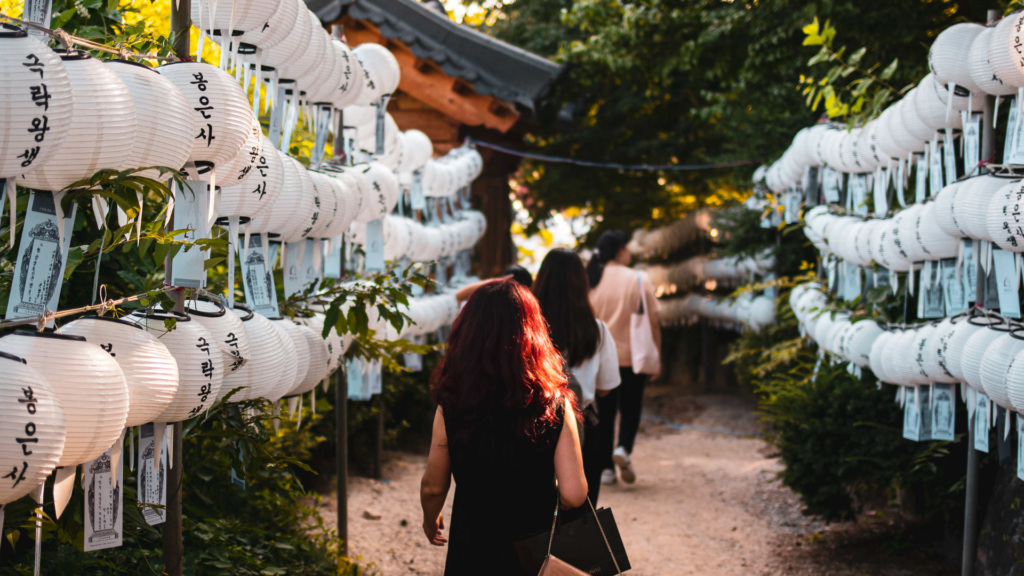
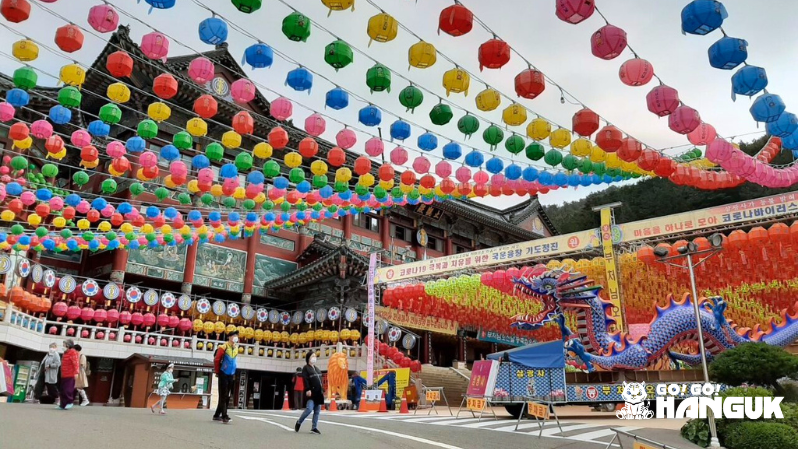
The most iconic feature of Buddha’s birthday in Korea is the lotus lantern tradition. During this time, streets, temples, and even neighborhoods are beautifully illuminated with rows of colorful lotus lanterns. These displays make Buddha’s birthday in Korea one of the most photogenic times of the year.
Each lantern symbolizes the light of enlightenment, representing hope, wisdom, and guidance through life’s uncertainties. Visitors can also take part in the tradition by writing personal wishes or prayers on lantern tags and hanging them up, making the experience both meaningful and interactive.
2. Temple rituals and traditions
During Buddha’s birthday, temples such as Jogyesa Temple become the heart of the celebration, hosting a series of meaningful ceremonies that are open to both locals and visitors.
Many temples begin the day with early-morning chanting services led by monks, creating a calm and meditative atmosphere. Visitors will also see laypeople bringing offerings such as fruits, flowers, and incense as a sign of respect and gratitude. One of the most symbolic rituals is the bathing of a baby Buddha statue, which represents purification and the cleansing of negative thoughts.
In addition to these spiritual practices, temples often provide free meals and tea, reflecting the values of generosity and community. Altogether, these traditions offer a deeper glimpse into the spiritual essence of Buddha’s birthday in Korea, while remaining inclusive and welcoming to anyone who wishes to take part.
3. Community an cultural events
Beyond its religious roots, Buddha’s birthday is also celebrated as a vibrant cultural festival that brings communities together.
During this time, visitors can take part in lantern-making workshops, where they create their own lotus lanterns as a symbol of hope and enlightenment. Streets and public spaces come alive with traditional performances, including music, dance, and cultural showcases that highlight Korea’s rich heritage. You’ll also find lively street fairs and exhibitions featuring local crafts, food, and festive activities.
For many families, visiting temples together is an important part of the day, turning the celebration into a shared cultural experience. This blend of spiritual reflection and lively festivity gives Buddha’s birthday in Korea its unique charm, where peaceful temple moments coexist with vibrant street celebrations, creating an atmosphere that is both meaningful and full of life.
Throughout the year, many temples offer temple stay programs for visitors seeking a deeper cultural experience. Check out this list of popular temple stays.
Major festivals for Buddha’s birthday in 2026
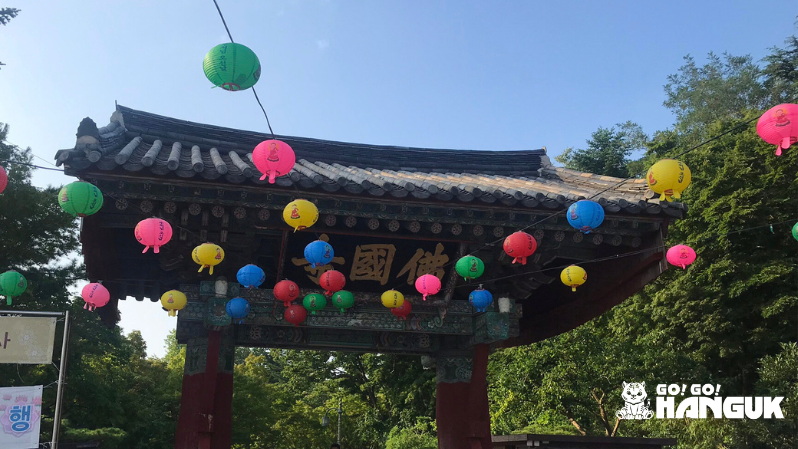
1. Yeondeunghoe (Lotus Lantern Festival) – Seoul
The biggest highlight of Buddha’s birthday in Korea is Yeondeunghoe, a UNESCO-recognized cultural heritage festival with over a thousand years of history.
Held in Seoul, this festival transforms the city into a vibrant celebration of light, culture, and tradition. In 2026, the main events are expected to take place on May 17, drawing both locals and international visitors. Check for more details here.
Taking place in Insadong, you can expect a lantern parade where thousands of participants carry illuminated lanterns in various shapes, from traditional lotus flowers to intricate dragons and symbolic figures.
Beyond the parade, the festival also features a wide range of cultural performances, traditional music, and interactive exhibitions. Visitors can also take part in hands-on lantern-making workshops!
2. Busan Lotus Lantern Festival
In Busan, Buddha’s birthday takes on a slightly more local and relaxed atmosphere, while still offering equally breathtaking visuals. The Busan Lotus Lantern Festival is known for its large-scale lantern displays, often set against the backdrop of temple grounds and the city’s coastal charm.
Throughout April and May, temples and public spaces across Busan are decorated with thousands of glowing lanterns, creating a serene and picturesque environment, especially in the evening. The festival typically includes lighting ceremonies that mark the beginning of the celebration, along with cultural programs, traditional performances, and smaller-scale parades organized within local communities.
This offers a more local but equally beautiful version of Buddha’s birthday in Korea.
Practical tips for visitors
To fully enjoy Buddha’s birthday in Korea, it’s best to plan your visit around key events when the celebrations are at their peak. During this period, popular areas can become extremely crowded, so using public transportation is highly recommended to get around more efficiently.
If you plan to visit temples, remember to dress modestly and be respectful of ongoing ceremonies, as many of these are still active religious practices. It’s also important to note that since Buddha’s birthday is a public holiday, some businesses and services in Korea may operate on reduced hours or be closed entirely. Planning ahead will help you make the most of your experience during this special time.
Whether you’re visiting or living in Korea, experiencing Buddha’s birthday in South Korea is something you shouldn’t miss! Follow the Go! Go! Hanguk blog for more content and if you wish to find out more about studying and living in Korea, be sure to contact us!