Skip to content


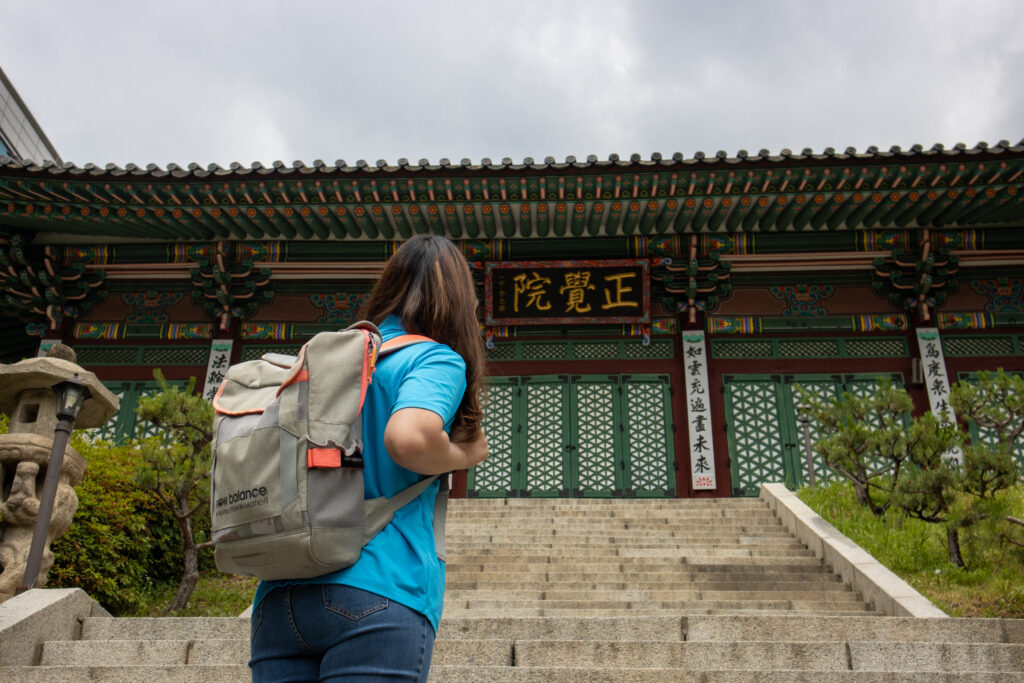
South Korea has become one of the most popular destinations for international students, thanks to its vibrant culture, high-tech cities, and world-class education. However, many prospective students worry that they won’t be eligible if they haven’t already completed a university degree. When asking yourself, “do I need a bachelor’s degree to study in Korea?” the answer depends largely on what type of program you wish to join.
The short answer is no, you do not need a bachelor’s degree to study in Korea. In fact, depending on your goals, you can move to Korea with just a high school diploma or even while you are currently a university student elsewhere.
Here is a breakdown of the requirements and visa options based on different study paths.
1. Studying the Korean language (D-4 visa)
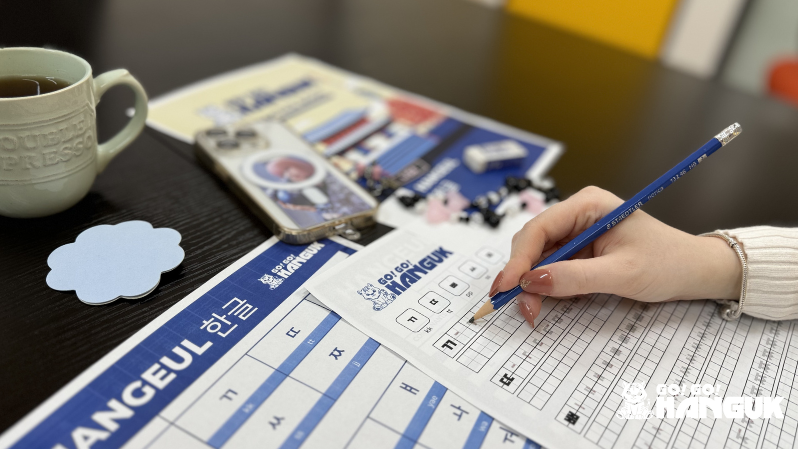
If your goal is to learn the language, you can apply for a D-4 General Trainee Visa. This visa is specifically for students enrolled in Korean language programs at certified universities.
- Academic requirement: Generally, you only need to have graduated from high school (or an equivalent) to enroll in a university-run language program.
- Proof of education: When applying, you will typically need to provide a copy of your most recent educational qualification—which for many is a high school diploma—along with class transcripts.
- Path to a degree: Many students start with a language course (D-4) and later transition to a degree program (D-2) once they have achieved the necessary Korean proficiency (usually TOPIK level 3 or 4). This confirms that you don’t necessarily need a bachelor’s degree to study in Korea if your initial focus is language acquisition.
Learn more on how to get a D-4 visa to study Korean in Korea.
2. Pursuing an undergraduate degree (D-2 visa)
If you want to earn your bachelor’s degree in Korea, you obviously don’t need one to start! The D-2 Student Visa is for those enrolled in regular academic programs (Bachelor’s, Master’s, or PhD).
- Academic Requirement: A high school diploma is required for undergraduate admission.
- Language Skills: Most degree programs require a certain level of Korean (TOPIK) or English (TOEFL/IELTS) proficiency, depending on the language of instruction.
3. Short-term study and travel (H-1 visa)
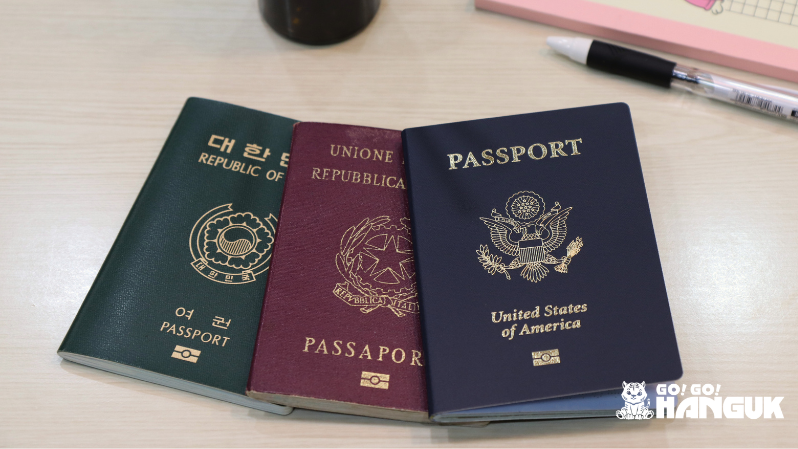
The H-1 Working Holiday Visa is a unique option for young people (usually aged 18–30) from participating countries. It allows you to stay in Korea for up to one year to travel, work part-time, and study short-term.
- Academic requirement: While requirements vary by country, many H-1 applicants only need to provide proof of student status or their highest academic qualification (which can be a high school diploma).
- Flexibility: This is a great “gap year” option if you want to study at a private language school or a university program for a few months without the strict attendance requirements of a D-4 visa.
Can I work while I study?
One of the most common reasons people ask about degrees is for work eligibility. Here is how it works for students:
- Part-time work: Both D-4 (after 6 months) and D-2 visa holders can work part-time (usually up to 20 hours per week). You do not need a degree for this, but having a TOPIK level 2 certificate often allows you to work more hours and find better jobs.
- Full-time work (after graduation): This is where the bachelor’s degree becomes important. To transition to a professional work visa (like the E-7) and live in Korea long-term, having a university degree is generally mandatory.
Read our comprehensive article on how to live in Korea long term with a recommended 10-year visa plan designed for students.
Conclusion
Whether you are a high school graduate looking for adventure or a university student wanting a semester abroad, Korea is open to you. You can start with language school, experience the culture on a working holiday, or dive straight into a degree.
Ready to start your journey? Navigating Korean immigration and university applications can be complex. Services like Go! Go! Hanguk help international students manage the paperwork, find accommodation, and choose the right school—all for free. Contact us for more information!