Skip to content


Every country has different quirks and tricks that are unique to it when eating out. Eating out in Korea is certainly no different. Knowing and understanding the rules and etiquette not only helps you to understand the culture but helps you to enjoy you meal all the more.
When going to typical Korean style restaurants there are many things that may surprise you. Here are some tips for eating out in Korea that will help you further understand and appreciate your eating experiences! If you need more in-depth information, don’t forget to read our series about ordering in a Korean restaurant.
Where’s the cutlery?
Let’s start with a simple tip! Many people probably share a similar story when first dining in Korea. The food has arrived, it looks delicious but there is nothing with which to eat it with! You wait patiently but no one is coming over to help…wait, what is this little drawer at the side of the table? I did research and asked several Korean people and apparently it doesn’t really have a unique name. It is just, ‘the drawer at the side of the table’. Call it what you like, it is a staple of eating out in Korea and it is vital to know where this might be located if you want to eat!

Here you will usually find chopsticks and spoons. Almost all Korean cuisine can be consumed using these two pieces of cutlery. It is very unlikely that forks and knives will be also present. If you have ordered food that specifically requires such utensils the staff will usually bring these to you alongside your meal. You can also ask for a fork if you would like. Sometimes a box with a lid will be on your table to hold utensils instead – let us know if you find out the special name for this box!
No country for one-portion men
A lot of popular Korean dishes are really made to be shared. The sharing of food is one of the most common aspects in understanding Jeong (정, 情) – a very important concept in Korean society. 정 has to do with shared experiences, kindness, and the bonds that tie people together. People will eat from shared dishes or large pots placed in the middle as well as sharing a wide variety of banchan (반찬, side dishes). Because of this expectation that food will be shared, restaurants will often require you to order at least 2 portions.
If you are a solo diner it is possible that the store will allow you to order a smaller, single portion but it should not be expected. Either have a big appetite or find some friends to go with you if you want to eat that food!
추가 and 사리

When eating out in Korea, the above mentioned shared type of Korean dishes will often have the option to 추가 (addition) and 사리 (extras) at various points during your meal. 추가 is normally for additional smaller dishes/courses while 사리 are extras to add to the shared dish. If you want cheese, an egg, noodles, or rice cake – all are typical 사리! If it is a restaurant where this is possible then there will likely be a list of the items that you can add somewhere on the menu.
While dessert is not a common thing in most Korean restaurants this doesn’t mean you can’t have an additional course to your main meal. This is normally part of the 추가 menu. Using the juices, spices, soup, and remaining ingredients in the main dish many times fried rice or fried noodles are created. It’s a cheap, delicious, and unique way to enjoy your meal to its full extent.
Random tips and tricks
- At some restaurants, you don’t need to wait to be seated. As long as there isn’t a queue and there are available seats please sit anywhere you like.
- There is often a little buzzer to call staff. When you are ready to order press the button and someone will come to serve you. You can normally call anyone to help you with your request.
- The check is likely to be somewhere on your table. There is no need to ask for the bill, locate the check on your table, and bring it to pay at the counter on the way out. More and more restaurants are computerizing bills so there may not be a physically one. In this case, just go to the counter on your way out and pay.
- Sometimes you may be asked to pay the bill at the start of the meal. Don’t be surprised or insulted, this is sometimes the policy of the establishment.
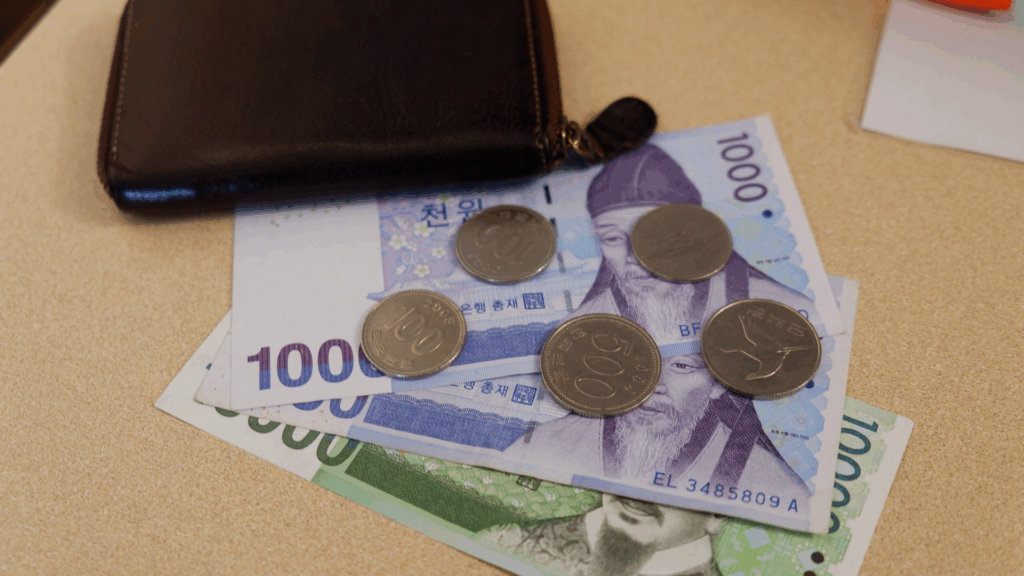
- Almost everywhere accepts payment by card although you can encounter problems at times with non-domestic cards. Have some cash as backup just in case.
- There might be a machine to order at certain restaurants. This is becoming a more popular way to order food. The menu is displayed on a big touch screen and there will usually even be several languages available for you to browse the menu and order.