Skip to content


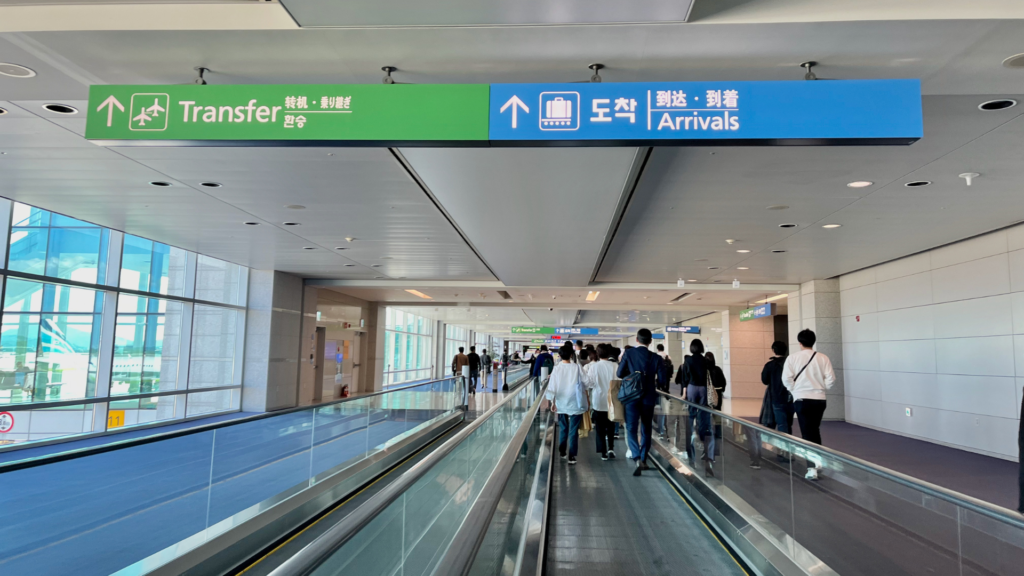
Arriving in Korea as an international student can feel both exciting and overwhelming. Between adapting to a new environment and settling into daily life, there are also many important administrative tasks that students must complete shortly after arriving in Korea.
Missing these procedures can result in unnecessary stress, delays, or even fines from the immigration office. To help make your transition smoother, this guide covers the most important things to do upon your arrival as a Korean language student.

Attend your language school orientation
One of the first and most important things to do after arriving in Korea is to attend your school orientation on your first school day. Orientation usually includes essential information all new students need to know.
Language schools often explain:
- Korean Residence Card application procedures
- Immigration deadlines
- Health insurance information
- Attendance rules
- Class schedule
- Student support services
- Emergency contact information
- Campus and city guidance
Attending orientation can prevent many common mistakes international students make after arriving in Korea.
Apply for your Korean Residence Card
Korean Residence Card is one of the most important documents for international students in Korea. Students staying in South Korea for more than 90 days must apply for their residence card within 90 days of arrival. Failing to do so may result in immigration penalties or fines.
The Korean Residence Card is required for:
- Opening a bank account
- Signing a phone contract
- Accessing health insurance
- Using online verification services
- Registering your address
- Re-entering Korea after travel
Students usually apply at their local immigration office by making a reservation online through the immigration website. Required documents may include:
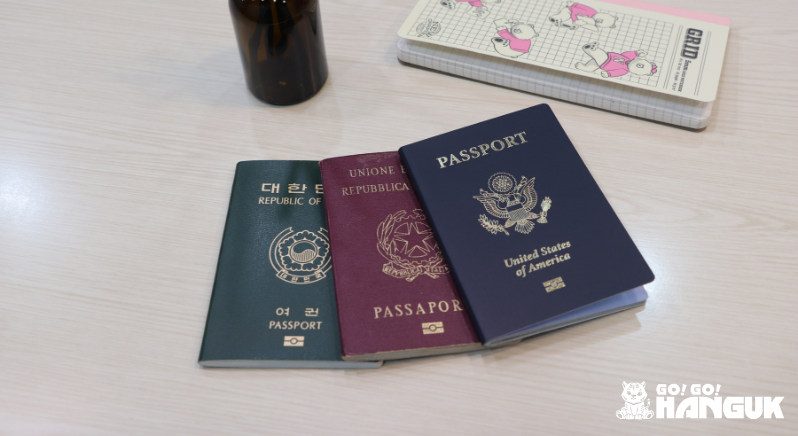
- Passport
- Passport photo
- Application form
- Proof of residence
- School enrollment certificate
- Visa documents
Some schools offer support and apply for the Residence Card on your behalf. Be sure to confirm this with them on orientation day. Processing times can take several weeks, especially during busy semesters so be sure to plan early.
Understand your visa rules
Many students misunderstand how Korean student visas work after arriving in Korea. If you hold a D-4 student visa, your visa expiration date is usually written on the back of your Korean Residence Card.
It is important to understand:
- Your student visa does not automatically extend after classes end
- You cannot remain in South Korea as a tourist after your visa expires without leaving Korea first
- Overstaying your visa can lead to fines or immigration restrictions
Students should also avoid leaving Korea while their Korean Residence Card application or visa renewal is still being processed.
If you leave South Korea before receiving your Korean Residence Card, or receiving approval for your visa renewal, your application may be automatically cancelled by immigration.
Since Korean Residence Card processing and visa renewals can take weeks, students should avoid overseas travel during this period unless immigration confirms otherwise. Always check your visa expiration date carefully and plan your renewal or departure in advance.
If you need further assistance, contact the Korean immigration hotline by calling 1345. The hotline provides multilingual assistance and can help answer questions related to visas, Korean Residence Card applications, visa renewals, address registration, and other immigration procedures.
Understand health insurance enrolment
For your first six months as a Korean language student, you will be covered under the health insurance provided by your school, and enrolment is automatic when your language course begins. Under the school’s group insurance, you must pay the full retail price upfront and claim a reimbursement later. After your treatment, ensure you request an official medical receipt that includes the disease codes and treatment details.
After this initial six-month period, you will automatically transition to the National Health Insurance Service (NHIS). No action is required to enrol, and your bills will be mailed directly to your Korean address.
Learn more about the Korean health insurance service in this article.
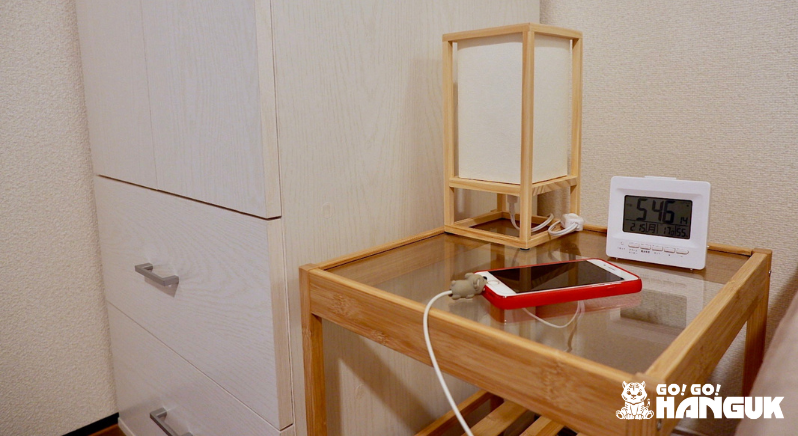
Find long-term accommodation
Finding stable housing is one of the biggest priorities after arriving in Korea. Common student accommodation options include goshiwons, one-room apartments, share houses, and university dormitories. Check out the 4 popular student accommodation options in Korea and 5 essential things you need to know before renting an apartment in Korea on our blog.
Once you move into an accommodation after arriving in Korea, you must report your new address within 14 days. This is an immigration requirement, and failure to update your address may result in heavy fines. Students can usually register their address at local community centers, immigration offices, or government service centers by bringing their Korean Residence Card, passport, and housing contract or proof of residence.
Get a Korean phone plan
Getting a Korean SIM card or phone plan is essential for:
- Identity verification
- Delivery apps
- Banking
- Transportation apps
- Messaging services
Students usually choose between prepaid SIM cards and long-term contracts. Read our article about Korean SIM cards to find out your options as a student.
Purchase T-money card
In South Korea, especially in large cities, people get around using public transportation. It is incredibly convenient, and we recommend getting a transit card as soon as you arrive in the country.
T-money card can be purchased at convenience stores and subway stations, and can be used on buses, subways, and even taxis throughout Korea.
For students living in Seoul, the Climate Pass may be a useful option for saving money on transportation costs. The Climate Pass combines nationwide K-Pass benefits with additional Seoul-specific benefits, allowing eligible users to receive reimbursements on public transportation spending. This can be especially helpful for students who commute to school regularly or frequently travel around the city.

Open a Korean bank account
Having a Korean bank account makes daily life much easier after arriving in Korea, especially useful for linking payment methods to delivery apps, online shopping platforms, transportation services, and phone plans, making daily life in Korea much more convenient.
Some banks may allow students to open a basic account using only a passport, while others may require a Korean Residence Card depending on the type of account or banking services requested. Students are generally advised to visit branches located near universities, as staff there are often more familiar with assisting international students.
For more information, read our guide on how to open a bank account in Korea.
Set up essential Korean apps
After arriving in Korea, students should download useful apps for transportation, communication, food delivery, shopping, and navigation, as many daily services in Korea rely heavily on mobile apps.
We’ve compiled a list of the top 5 Kakao apps, top 5 Naver apps, and top 5 most convenient food delivery apps to help you navigate daily life in Korea more easily.
Learn basic Korean for daily life
Even basic Korean language skills can make daily life significantly easier after arriving in Korea. Knowing simple phrases helps with transportation, shopping, ordering food, and communicating with locals.
Discover how these 5 ways of expressing Korean phrases can be used in daily life and everyday situations.
Arriving in Korea is the beginning of an exciting new chapter, but it also comes with important responsibilities. We hope our guide gives you a better understanding of the important steps and procedures to complete as an international student in Korea.
Keep following the Go! Go! Hanguk blog for more Korea updates and do not hesitate to contact us if you wish to study and live in Korea!