Skip to content


Public holidays in South Korea are known as Gonghyuil (공휴일). Whether you are navigating the quiet reverence of ancestral rites or the neon glow of a city-wide festival, understanding these dates is essential for truly experiencing the Korean way of life. Here’s a complete guide, organized by date, to help you understand the country’s most important celebrations.

January 1st: New Year’s Day (Sinjeong – 신정)
Although the traditional Korean New Year follows the lunar calendar, January 1st is still an official holiday. Many businesses close and at midnight on December 31st, people gather to watch the traditional bell-ringing ceremony. The most famous one takes place at Bosingak Pavilion in Seoul, where the bell is rung 33 times to welcome the new year.
Late January / Mid-February (varies): Seollal (설날)
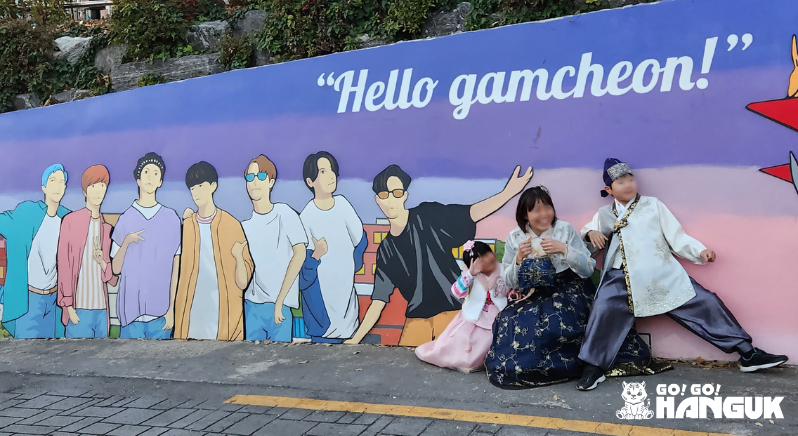
The Lunar New Year, or Seollal, is one of the most important public holidays in South Korea and usually lasts three days. Families come together, wear traditional (hanbok), perform ancestral rites, and enjoy the traditional rice cake soup, tteokguk.
March 1st: Independence Movement Day (Samiljeol – 삼일절)
This date commemorates the 1919 resistance movement against Japanese occupation. It is a day with strong patriotic significance, remembering the declaration of independence and the sacrifice of Korean martyrs. In Korean, it is known as 삼일절 (Samiljeol).
May 1st: Labor Day (Geunroja-ui nal – 근로자의 날)
As in many other countries around the world, South Korea celebrates the contribution of workers. Many companies and banks remain closed on this day.
May 5th: Children’s Day (Eorininal – 어린이날)
Established in 1923 by children’s book author Bang Jeong-hwan, the holiday emphasizes treating children as independent beings with dignity, shifting the cultural focus toward their rights and emotional joy. On this day, Korean families usually spend time in amusement parks, zoos, or public parks to celebrate children’s growth and well-being.
April / May (variable date): Buddha’s Birthday (Bucheonim osin nal – 부처님 오신 날)
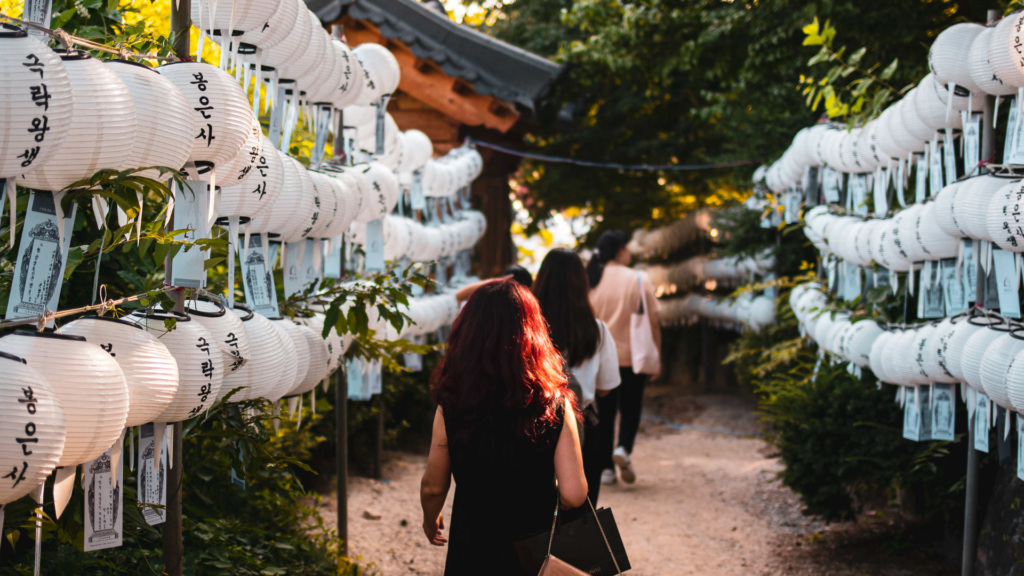
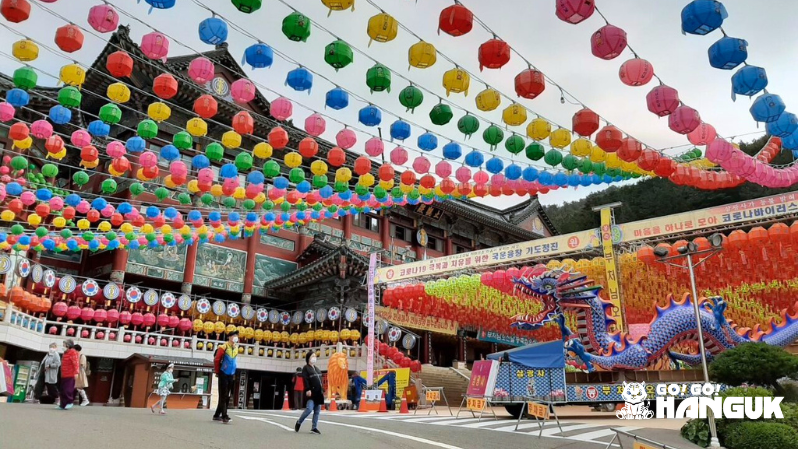
Celebrated on the eighth day of the fourth lunar month. Buddhist temples are decorated with thousands of colorful lanterns and offer cultural activities open to everyone, creating a suggestive atmosphere throughout the country.
May 15th: Teachers’ Day (Seuseung-ui nal – 스승의 날)
While traditionally celebrated with carnations and heartfelt letters, the holiday now strictly limits gift-giving to prevent bribery and ensure fairness. Consequently, many schools celebrate collectively through student-led performances or video tributes to honor their educators’ dedication without the pressure of material gifts.
June 6th: Memorial Day (Hyeonchung-il – 현충일)
A solemn day dedicated to the memory of soldiers and civilians who lost their lives during the Korean War and other conflicts. In Seoul, official ceremonies take place at the Seoul National Cemetery.
August 15th: Liberation Day (Gwangbokjeol – 광복절)
This holiday celebrates the end of Japanese colonial rule in 1945. It is the only holiday shared by both South and North Korea and is characterized by widespread display of the national flag (Taegukgi).
September / October (variable date): Chuseok (추석)
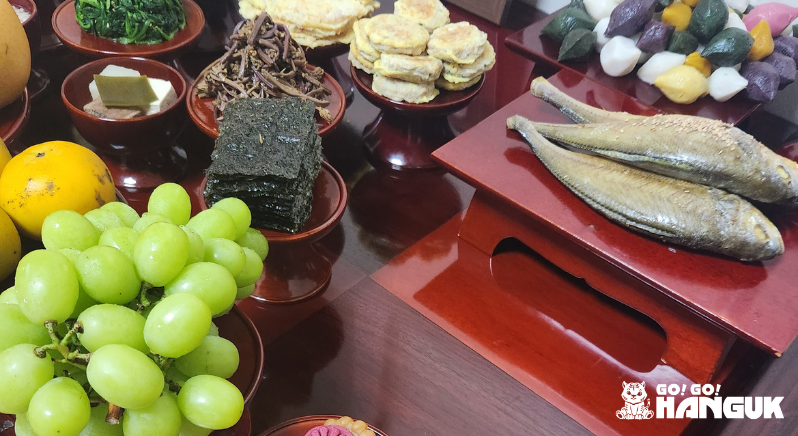
Often called the “Korean Thanksgiving,” it is the harvest festival. Families return to their hometowns to honor their ancestors and share traditional dishes such as songpyeon (half-moon-shaped rice cakes). To learn more, read our article on Chuseok in South Korea.
October 3rd: National Foundation Day (Gaecheonjeol – 개천절)
Known as Gaecheonjeol (meaning “The Day the Heavens Opened”), this holiday honors Dangun’s mission to live according to the philosophy of Hongik Ingan, which translates to “broadly benefiting humanity.” It serves as a profound point of national pride, focusing on the shared heritage and cultural identity of the Korean people across the entire peninsula.
October 9th: Hangul Day (Hangulnal – 한글날)
Beyond just celebrating the script’s scientific design, the Hangul day honors King Sejong’s noble intent to empower commoners by providing them with a phonetic system that was easy to learn and accessible to all. It is a day of great national pride for the uniqueness of the Korean writing system.

December 25: Christmas (Keuriseumaseu – 크리스마스)
While Christmas (Sung Tan Jul) is one of the public holidays in South Korea—the only East Asian country to recognize it as such—the vibe is noticeably different from the family-centric “home for the holidays” tradition common in the West. Because South Korea already has two massive family-oriented holidays (Seollal and Chuseok), Christmas has evolved into something closer to a “Valentine’s Day with Santa.”
Between ancient traditions and modern brilliance, South Korea offers a unique calendar that can surprise you in every season. Experiencing the public holidays in South Korea is the most authentic way to connect with the spirit of the country and truly understand its essence.
For more information about Korean culture, follow our blog, or contact us if you would like to study Korean in South Korea.