Skip to content


Last updated on June 2026.
Are you thinking of living and studying in Korea, but have no idea about how much it would cost? Here is the comprehensive breakdown of what you need to budget for monthly expenses and those “hidden” setup costs.
Cost of living in South Korea by location
Where you choose to study will be one of the top contributors to your cost of living in South Korea. Seoul is the capital of South Korea, and like all capitals, the average cost of living is higher than in less central cities. Prices for accommodation, food and services are cheaper if you choose to live in a district further away from the center.
Otherwise, if you are on a tight budget, cities such as Busan or Daegu have a lower cost of living in South Korea. Rents, as well as school fees for language courses, are lower than in Seoul. It should be noted that in these more ‘peripheral’ cities, the number of foreigners is also lower than in Seoul, so you will have more opportunities to practice your Korean to communicate with the locals.
Cost of the language course in South Korea
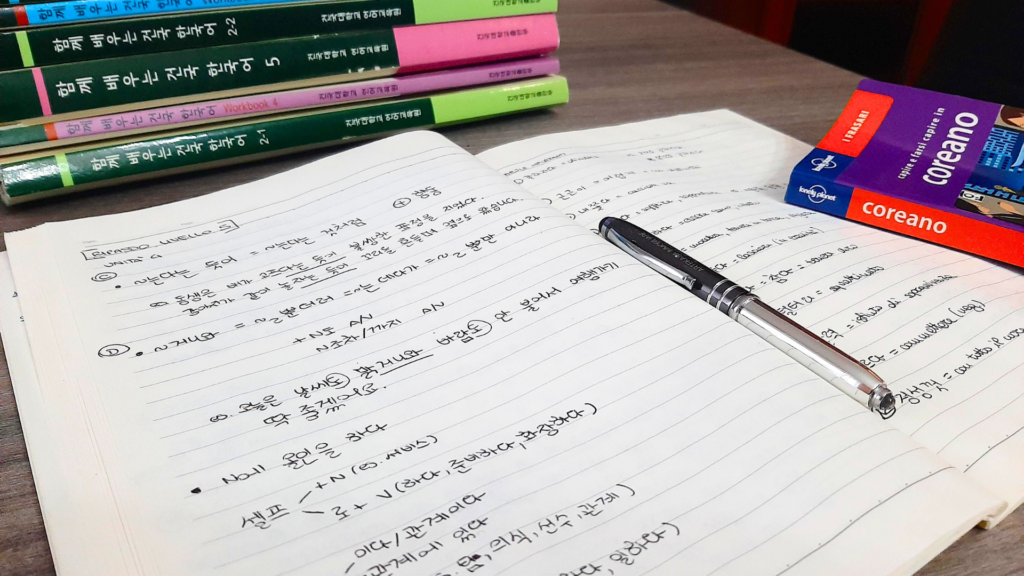
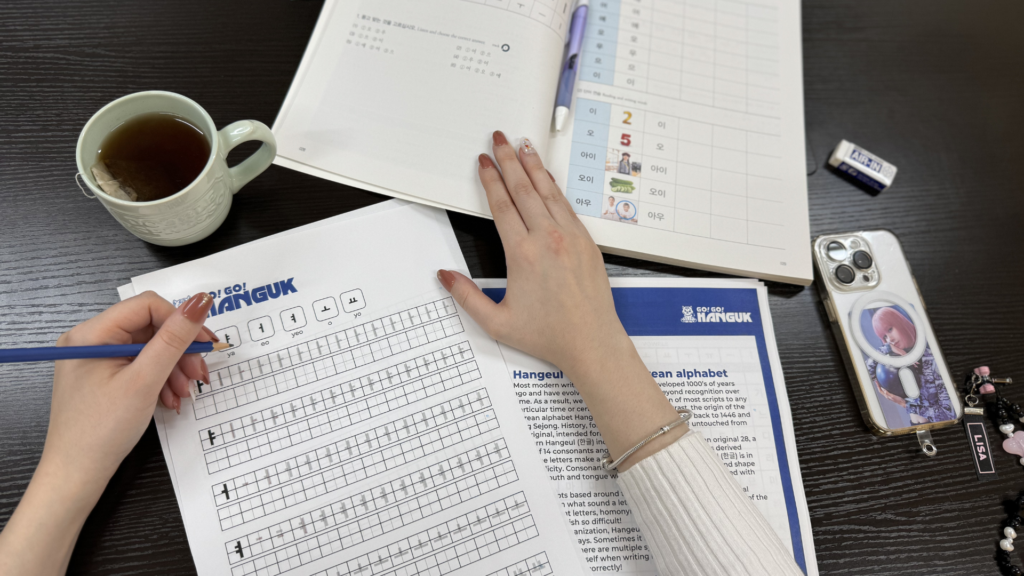
We have previously discussed the different language courses in South Korea offered by universities and public institutions. When considering the cost of living in South Korea, tuition fees should also be taken into account. For university language programs, the average cost in Seoul is around USD 1,500 per term, meaning a 6-month course would cost approximately USD 3,000.
Along with the enrollment for the language course, health insurance is required if you study in Korea for more than 3 months. Usually, the health insurance is offered by the university at a very convenient price for the first quarter, can be as low as USD 25 in total. This is the private insurance arranged by the school and is not the same as the National health insurance (NHIS) that is mandatory after 6 months of stay. (NHIS cost is subject to visa type & duration)
It is possible to take out private insurance in your home country before departure, as long as it clearly states coverage for the full study period and stay in Korea.
In cities such as Busan and Daegu, the cost of Korean language courses is generally lower, with a trimester averaging around USD 1,000. Private health insurance may also be slightly more affordable compared to Seoul.
However, the National Health Insurance (NHIS) premium is generally standardized across the country and should also be taken into consideration when calculating the cost of living in South Korea.

Cost of accommodation in South Korea
Accommodation is often one of the biggest concerns for students planning to live in Korea. Fortunately, Korea offers several housing options depending on budget, lifestyle, and preferred level of privacy. The most common types of accommodation for international students are dormitories, goshiwons, shared houses, and private apartments. While Seoul generally has higher living costs, cities such as Busan and Daegu often provide more affordable alternatives.
Dormitories are usually the most popular choice among Korean language students, especially during their first few terms in Korea. They are convenient because they are located close to campus and can typically be arranged during enrollment. Depending on the university, students may stay in shared or single rooms, although some dormitories may have curfews or stricter regulations.
Goshiwons are small single-room accommodations commonly chosen by students who want more privacy at a lower cost. These rooms are usually compact, around 6–10 square meters, and often include basic furniture and a private bathroom. Kitchens, laundry rooms, and common areas are shared with other residents in the building.
Share houses are shared apartments where residents have their own bedroom while sharing spaces such as the kitchen and living room with others. Many shared houses include both Korean and international residents, making them popular among students who want a more social and cultural experience while living in Korea.
Private apartments provide the highest level of independence and privacy. However, they usually come with high deposits and longer contracts, making them more suitable for long-term residents, working adults, or students planning to stay in Korea for an extended period. These housing costs are also an important factor to consider when calculating the cost of living in South Korea.
|
Accommodation Type |
Seoul Average Cost |
Busan Average Cost |
Privacy Level |
Best For |
|
Dormitory | USD 350 to 490 per month | USD 210 to 350 per month |
Medium |
First-time students |
|
Goshiwon | USD 450 to 500 per month | USD 250 to 350 per month |
Medium-High |
Budget solo living |
|
Share House | USD 350 to 500 per month | USD 250 to 400 per month |
Medium |
Social student lifestyle |
|
Private Apartment | USD 600 to 700 per month + high deposit | USD 400 to 600 per month + high deposit |
High |
Long-term residents |
In general, Busan offers a lower cost of living in South Korea compared to Seoul, particularly when it comes to accommodation. This makes Busan an attractive option for international students looking for a more affordable lifestyle while still enjoying life in a major Korean city.

Cost of food in Korea
To help you better understand the overall cost of living in South Korea, it is also important to consider daily food expenses. Below are the average prices of some common products, meals, and drinks in Korea:
- Noodles: USD 4 to 6.
- Dosirak (도시락, packed lunch in a box like a bento box): USD 3 to 5.
- Beer at a restaurant: USD 3 to 4.
- Coffee at Starbucks: USD 5 to 6.
- Set menu for lunch: USD 6 to 8. At the school canteen it costs half as much.
- American-style pizza: USD 16.
- Korean barbecue: USD 11 to 16 per person.
- Bingsu (빙수, Korean shaved ice): USD 8 to 10.
- Bottle of soju (소주, Korean liquor): USD 1 to 2.
- Bottle of makgeolli (막걸리, rice wine): USD 3.
- Korean fried chicken: USD 13. Large portion.
- Bread: USD 3 to 4 a piece. French-style bakeries are very popular in Korea.
- Fast-food hamburgers: USD 5 to 7.
- Tteokbokki (떡볶이, rice cake with spicy sauce): USD 3 to 4.
- Sagak Gimbap (사각김밥, similar to Japanese onigiri): USD 1 to 2.
Cost of transportation in South Korea
Public transportation is one of the most convenient and affordable aspects of the cost of living in South Korea. While both Seoul and Busan have efficient subway and bus systems, there are slight differences in monthly transportation costs, public transport passes, and taxi fares.
| Transportation Type | Seoul | Busan |
| Subway Fare (Single Ride) | USD 1.10 | USD 1.05 to 1.10 |
| City Bus Fare(Single Ride) | USD 1.05 | USD 1.05 |
| Taxi Base Fare | USD 3.50 | USD 3.50 to 3.65 |
Seoul’s Climate Pass combines nationwide K-Pass benefits with additional Seoul-specific transportation benefits, making it especially useful for students and daily commuters who regularly use public transportation. In Busan, the Dongbaek Pass offers a similar way to save on public transportation costs through monthly transportation benefits.
Overall, Busan transportation costs are generally slightly lower than Seoul, although both cities offer reliable and highly efficient public transportation systems.

Cost of entertainment in South Korea
When estimating the cost of living in South Korea, it is also important to take entertainment expenses into account. Korea offers a wide variety of leisure activities and experiences, many of which are especially popular among students. Below are some common examples:
- Cinema ticket: about USD 10.
- Monthly gym membership: USD 60 to 80. Depending on the type of service provided.
- Noraebang (노래방, Korean karaoke): USD 10 to 20 per hour. Depending on the size of the room.
- Nightclub entry: USD 10 to 20. Depending on the club.
Note: If you plan to live and study in Korea for more than 6 months, you are generally required to provide proof of at least USD 10,000 in financial funds for your visa application.
We hope this article has helped you better understand the cost of living in South Korea and prepare for your experience of studying Korean in Korea.
Keen to find out more about Korea or the Korean language? Follow the Go! Go! Hanguk blog for more content, and be sure to contact us about living and studying in Korea!