Skip to content


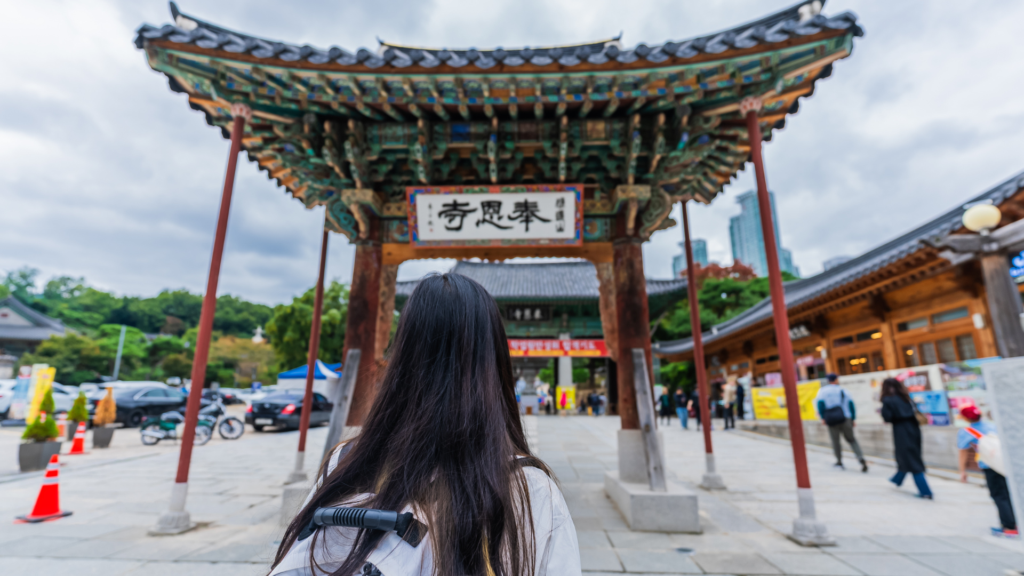
Arriving in South Korea for the first time can be both exciting and overwhelming. While many people in major cities understand basic English, knowing a few survival Korean phrases can make everyday interactions much smoother and more enjoyable.
Whether you’re visiting Korea for a holiday or moving here to study, these are the phrases you’ll most likely use during your first 48 hours. From catching a taxi to ordering your first iced coffee, here’s your practical guide to navigating South Korea with confidence.
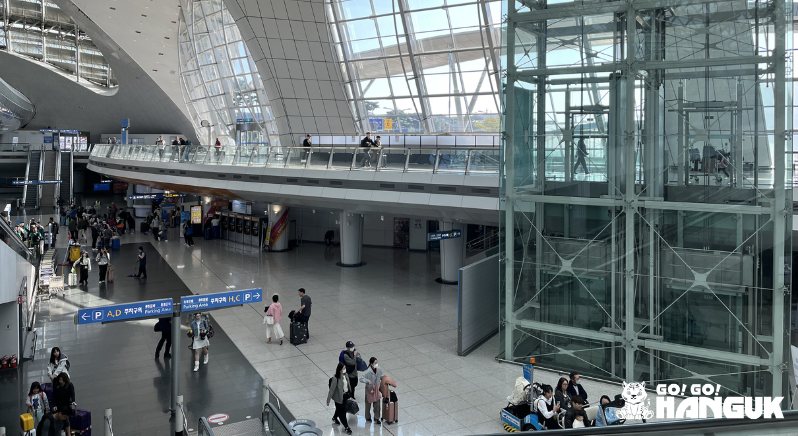
1. Arriving at the airport
You’ve officially arrived in South Korea! Whether you’re visiting for a holiday or beginning your study abroad journey, your first interactions will likely happen at the airport. While many speak basic English, greeting someone in Korean and asking simple questions politely is always appreciated. Even if your pronunciation isn’t perfect, locals will usually make an effort to help.
These are some of the first survival Korean phrases you’ll likely need after landing.
| Hangul | Transliteration | English |
| 안녕하세요 | Annyeonghaseyo | Hello |
| 감사합니다 | Gamsahamnida | Thank you |
| 실례합니다 | Sillyehamnida | Excuse me |
| 화장실 어디예요? | Hwajangsil eodiyeyo? | Where is the restroom? |
| 공항철도 어디예요? | Gonghangcheoldo eodiyeyo? | Where is the Airport Railroad? |
Koreans appreciate politeness. Starting a conversation with “안녕하세요” immediately creates a friendly impression. Check out other useful phrases you will need at the airport.
2. Taking a taxi or finding the right train
One of your first challenges may be getting to your accommodation. Showing your destination on your phone is perfectly normal and often easier than pronouncing the address.
If you’re taking a taxi or using public transport, these phrases will come in handy.
| Hangul | Transliteration | English |
| 여기 가 주세요 | Yeogi ga juseyo | Please take me here. |
| 여기서 내려 주세요 | Yeogiseo naeryeo juseyo | Please stop here. |
| 이 지하철 맞아요? | I jihacheol majayo? | Is this the right subway? |
| 홍대 가요? | Hongdae gayo? | Does this go to Hongdae? |
| 몇 번 출구예요? | Myeot beon chulguyeyo? | Which exit is it? |
3. Your first convenience store visit
If there’s one place you’ll visit repeatedly, it’s the Korean convenience store. And you’ll probably visit one within hours of arriving. The cashier may ask a few questions that first-time visitors aren’t expecting, such as whether you need a shopping bag.
Thankfully, these interactions are usually short and follow the same routine every time, making them perfect opportunities to practice your Korean.
| Hangul | Transliteration | English |
| 이거 주세요 | Igeo juseyo | I’ll have this, please. |
| 빨대 주세요 | Ppaldae juseyo | A straw, please. |
| 봉투 주세요 | Bongtu juseyo | A bag, please. |
| 카드로 할게요 | Kadeuro halgeyo | I’ll pay by card. |
| 감사합니다 | Gamsahamnida | Thank you. |
Learn how to read Korean food labels in our interactive Instagram post.
4. Ordering at a cafe
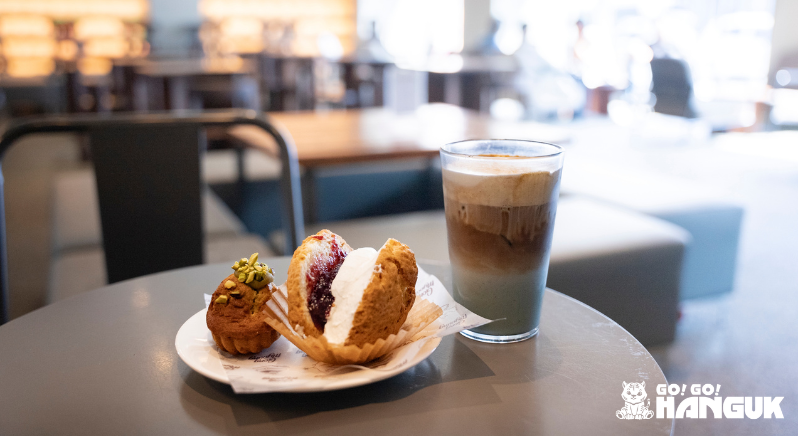
South Korea is famous for its cafe culture, so don’t be surprised if you find yourself stopping for coffee every day. While ordering is fairly straightforward, cafe staff often ask follow-up questions that can catch beginners off guard. Below are some phrases you’ll probably use.
| Hangul | Transliteration | English |
| 아이스 아메리카노 하나 주세요 | Aiseu amerikano hana juseyo | One iced Americano, please. |
| 매장에서 먹을게요 | Maejangeseo meogeulgeyo | I’ll have it here. |
| 포장해 주세요 | Pojanghae juseyo | To go, please. |
| 멤버십 있으세요? | Membeosip isseuseyo? | Do you have a membership? |
| 카드로 할게요 | Kadeuro halgeyo | I’ll pay by card. |
Most cafes will ask whether you’re dining in or taking your drink to go, so it’s useful to know both expressions.
Curious about the Iced Americano coffee culture in Korea? Don’t miss our article on the 6 interesting insights!
5. Eating at a restaurant
Unlike in many countries, servers don’t usually check on your table frequently. Instead, it’s perfectly normal to call them over by saying “여기요!” in a polite voice. Water is also free at most restaurants, and many places have self-service stations where you can help yourself. Restaurant staff are usually patient with foreigners, but knowing a few phrases can make ordering much easier.
| Hangul | Transliteration | English |
| 여기요! | Yeogiyo! | Excuse me! (to get the server’s attention) |
| 이거 하나 주세요 | Igeo hana juseyo | One of this, please. |
| 물 주세요 | Mul juseyo | Water, please. |
| 계산해 주세요 | Gyesanhae juseyo | The bill, please. |
| 잘 먹었습니다 | Jal meogeotseumnida | Thank you for the meal. |
Eating at a restaurant in Korea for the first time? Here are 8 tips you’ll want to know.
6. Taking the subway
The subway is one of the easiest ways to travel in big cities, but it can get crowded during rush hour. If you’re unsure whether you’re heading in the right direction, station staff are usually happy to help.
With navigation apps like Naver Map or KakaoMap, getting around becomes even easier, but knowing these phrases can be incredibly helpful if you need to ask someone in person.
| Hangul | Transliteration | English |
| 잠시만요 | Jamsimanyo | Excuse me. |
| 지나갈게요 | Jinagalgeyo | Excuse me, I’m coming through. |
| 이쪽이에요? | Ijjogieyo? | Is it this way? |
| 출구가 어디예요? | Chulguga eodiyeyo? | Where is the exit? |
Pro tip: Using “잠시만요” & “지나갈게요” politely when moving through a crowd is much more common than saying “죄송합니다. (sorry)”
7. Asking for help
Don’t worry if you get lost. Most people will do their best to help, even if they don’t speak much English. Speaking Korean slowly, using simple sentences, and showing the address or destination on your phone can make communication much easier.
| Hangul | Transliteration | English |
| 도와주세요 | Dowajuseyo | Please help me. |
| 영어 하세요? | Yeongeo haseyo? | Do you speak English? |
| 천천히 말씀해 주세요 | Cheoncheonhi malsseumhae juseyo | Please speak slowly. |
| 잘 모르겠어요 | Jal moreugesseoyo | I don’t understand. |
8. Shopping around Korea
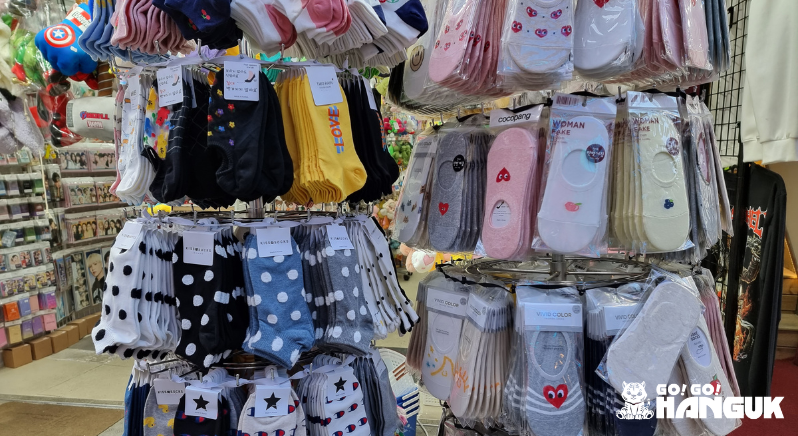
Whether you’re browsing at Olive Young, Daiso, or a department store, these phrases will be useful.
| Hangul | Transliteration | English |
| 얼마예요? | Eolmayeyo? | How much is it? |
| 다른 사이즈 있어요? | Dareun saijeu isseoyo? | Do you have another size? |
| 구경만 할게요 | Gugyeongman halgeyo | I’m just looking. |
| 카드 돼요? | Kadeu dwaeyo? | Can I pay by card? |
Bonus: Everyday Korean expressions you’ll hear everywhere
These aren’t phrases you’ll necessarily learn in a textbook, but you’ll hear them almost every day.
| Hangul | Transliteration | English |
| 네 | Ne | Yes |
| 아니요 | Aniyo | No |
| 괜찮아요 | Gwaenchanayo | It’s okay / No thanks |
| 잠깐만요 | Jamkkanmanyo | Just a moment |
| 맞아요 | Majayo | That’s right |
| 진짜? | Jinjja? | Really? |
Understanding these common expressions will help conversations feel much less intimidating.
Korean etiquette tips for beginners
Knowing the language is helpful, but understanding a few cultural habits can leave an even better impression.
- Say 감사합니다 (Gamsahamnida) whenever someone helps you.
- Use 주세요 (Juseyo) when requesting something, as it sounds polite.
- Hand over your credit card or cash respectfully rather than tossing it onto the counter.
- Speak calmly and avoid raising your voice in public spaces.
- If you accidentally bump into someone, simply say 죄송합니다 (Joesonghamnida).
Learning survival Korean doesn’t mean memorising hundreds of vocabulary words. In reality, a handful of useful expressions can make your first few days in Korea much less stressful and much more enjoyable.
If you’re planning to study Korean in Korea, daily immersion is one of the fastest ways to build confidence and improve your communication skills. Contact Go! Go! Hanguk to find the right Korean language program, and remember to follow the Go! Go! Hanguk blog for more content.